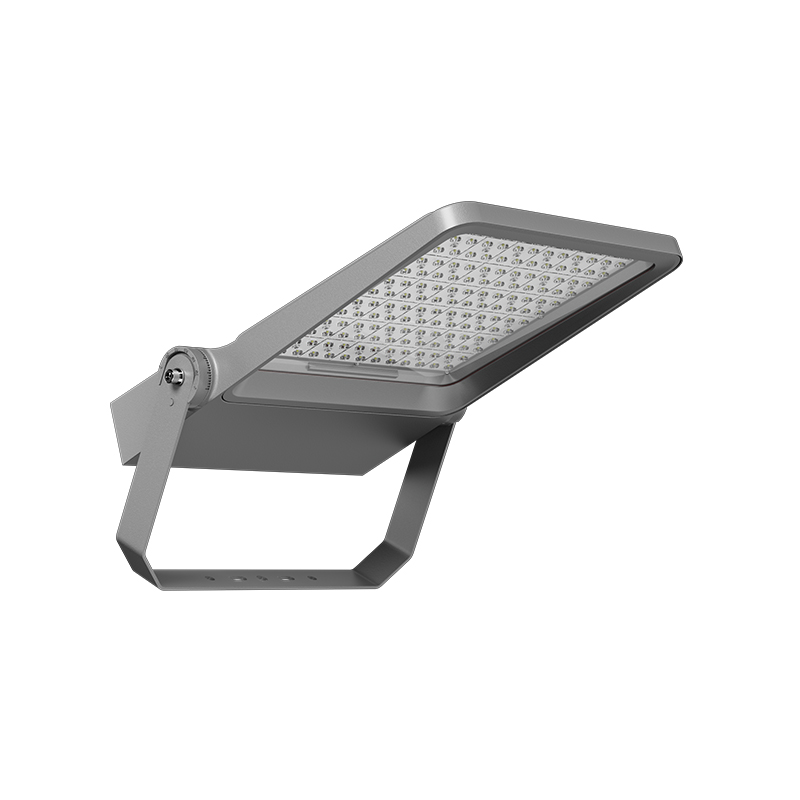
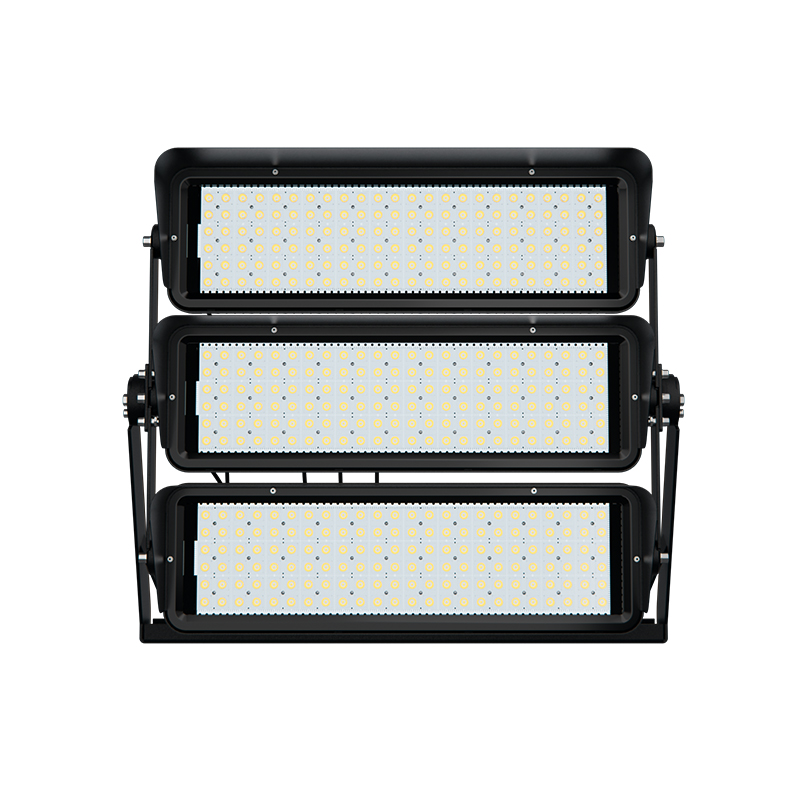
In the construction of modern sports venues, light is no longer merely for "seeing," but for "perceiving." High-quality sports lighting is a core guarantee for optimal athletic performance, enhanced spectator experience, and superior broadcasting effects.
Everlite LED Lighting Co., Limited., with its profound industry experience and outstanding independent R&D capabilities, is committed to deeply integrating cutting-edge optical technology with energy efficiency. We are not satisfied with traditional lighting solutions; instead, through precise light distribution design and intelligent control, we infuse every green field and every stadium with vibrant light and shadow.
Core Technological Dimensions of Sports Lighting:
1. Glare Control and Visual Comfort
The biggest difference between sports lighting and ordinary industrial lighting lies in the extremely stringent requirements for glare control. During high-speed movement, athletes often need to look up at the sky. From the initial design stage, Everlite effectively suppresses stray light through its independently developed asymmetrical light distribution technology, ensuring that athletes do not experience momentary blind spots when tracking high-flying balls.
2. The Art of Color Temperature and Color Rendering Index
To meet the demands of ultra-high-definition (UHD) broadcasting, the color rendering of the light source is crucial. A high color rendering index can restore the vibrant green of the turf and the natural skin tone of the athletes. We flexibly adjust the color temperature according to the psychological needs of different sports, creating both an exciting and passionate competitive atmosphere and a calm and focused visual environment.
3. Light Field Uniformity and Shadow Reduction
An excellent lighting solution must eliminate the "zebra pattern" phenomenon on the field. Through multi-angle cross-projection technology, Everlite can achieve extremely high uniformity of horizontal and vertical illuminance. This design effectively reduces the double image of athletes, allowing referees to make more accurate judgments of key actions and reducing visual errors.
4. Instant On/Off and Intelligent Dimming System
Traditional metal halide lamps require a long warm-up process, while modern LED sports lighting supports instant on/off. Combined with Everlite's intelligent control system, the venue can switch energy consumption states with one click according to different modes such as training, competition, and maintenance, achieving efficient energy utilization and precise optical expression.
Sports Lighting System Components Table
| Dimension |
Key Elements |
Industry Professional Value |
| Optical System |
Lens Design / Distribution Curve |
Determines light projection precision and luminous flux utilization efficiency. |
| Thermal Architecture |
Fin Design / Thermally Conductive Materials |
Ensures long-term lumen maintenance and overall system operational stability. |
| Driver Performance |
Flicker-free Driver / Power Factor (PF) |
Guarantees image stability for high-speed camera slow-motion replays. |
| Structural Protection |
Wind Resistance Rating / Anti-corrosion Treatment |
Ensures durability against extreme outdoor weather and high-salinity environments. |
| Intelligent Integration |
DMX512 / Zigbee Protocols |
Enables synchronized light shows and comprehensive remote monitoring management. |
Everlite's R&D Philosophy:
In the field of sports lighting, "design" itself is a core competitive advantage. Everlite LED Lighting Co., Limited. understands that no two sports venues are exactly alike. Our R&D team conducts in-depth research on the trajectories of different sports balls:
Ball Sports: For sports involving small balls such as tennis and badminton, the focus is on tracking and illuminating high-speed moving targets.
Large Multi-purpose Venues: The focus is on rapid switching between multi-functional scenarios and consistent coverage over a large area.
Relying on our strong independent design capabilities, we are able to organically combine the physical characteristics of the luminaires with the architectural aesthetics of the venue, making the lighting equipment an integral part of the building during the day and a catalyst for competition at night.
Frequently Asked Questions (FAQ)
Q1: Why is vertical illuminance more critical than horizontal illuminance in sports lighting?
A: Horizontal illuminance ensures the ground is bright enough, but vertical illuminance determines whether camera lenses and spectators can clearly see the athletes' facial expressions, movements, and the trajectory of airborne balls. An excellent lighting solution must strike a perfect balance between the two.
Q2: What is stray light, and why is it important to control it strictly?
A: Stray light refers to ineffective light that shines outside the venue. This not only wastes energy but also causes light pollution to surrounding residential areas. Everlite uses precision optical lenses and shields to precisely focus each beam of light within the competition area.
Q3: How does flicker depth affect modern sports broadcasting?
A: When broadcasting in 4K or even 8K, if the lighting fixtures have significant flicker, slow-motion replays will show noticeable flickering. Professional-grade sports lighting must use a constant-current, flicker-free driver solution to ensure smooth and seamless footage.
Q4: What are the challenges in maintaining sports lighting fixtures?
A: Sports lighting fixtures are usually installed at high altitudes, making maintenance extremely costly. Therefore, we pay close attention to the reliability and lifespan of the fixtures during development. Through an optimized thermal management system, we reduce junction temperatures, significantly extending maintenance cycles.
Q5: How does a smart system improve the operational efficiency of a venue?
A: A smart system is more than just dimming. It can dynamically compensate based on real-time crowd flow and natural light intensity, and monitor the working status of each light fixture in real time. For Everlite, intelligence is the key bridge to achieving both "energy saving" and "light quality" standards.



 Custom Outdoor Led Sports Lighting Manufacturer

 English
 Français
 Español