2026-02-16
Content
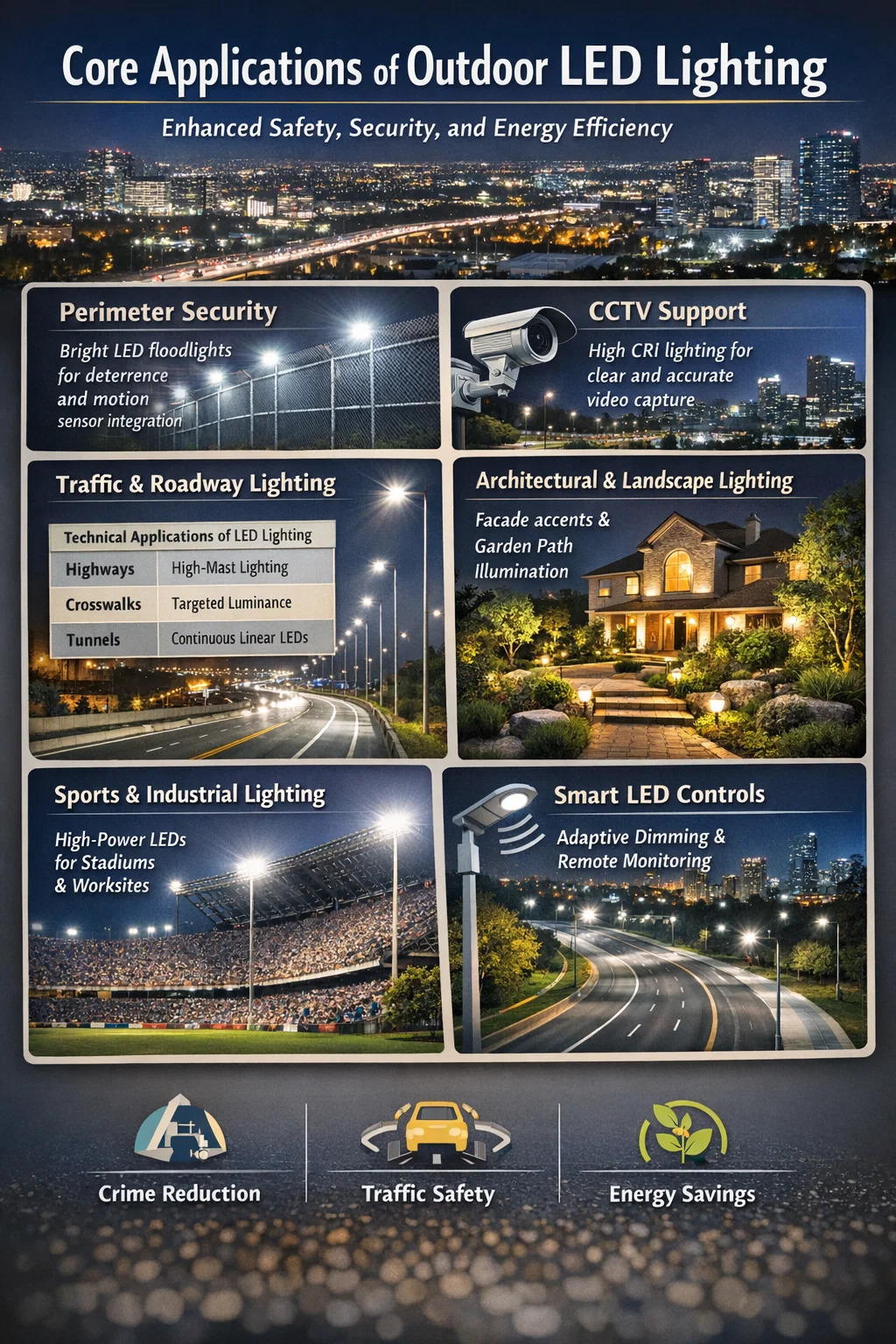
The primary uses of outdoor LED lighting encompass enhancing public safety, securing property perimeters, highlighting architectural features, and providing functional illumination for evening recreation. By utilizing semiconductor technology, these lighting systems offer a high-efficiency alternative to legacy lamps, allowing for precise light distribution and substantial operational cost reductions. In practical terms, outdoor LED lighting transforms dark, unusable spaces into productive, safe, and visually appealing environments through a combination of floodlighting, path marking, and accentuation.
One of the most critical deployments of outdoor LED lighting is in the realm of security. Bright, uniform light is a proven deterrent against vandalism and unauthorized entry.
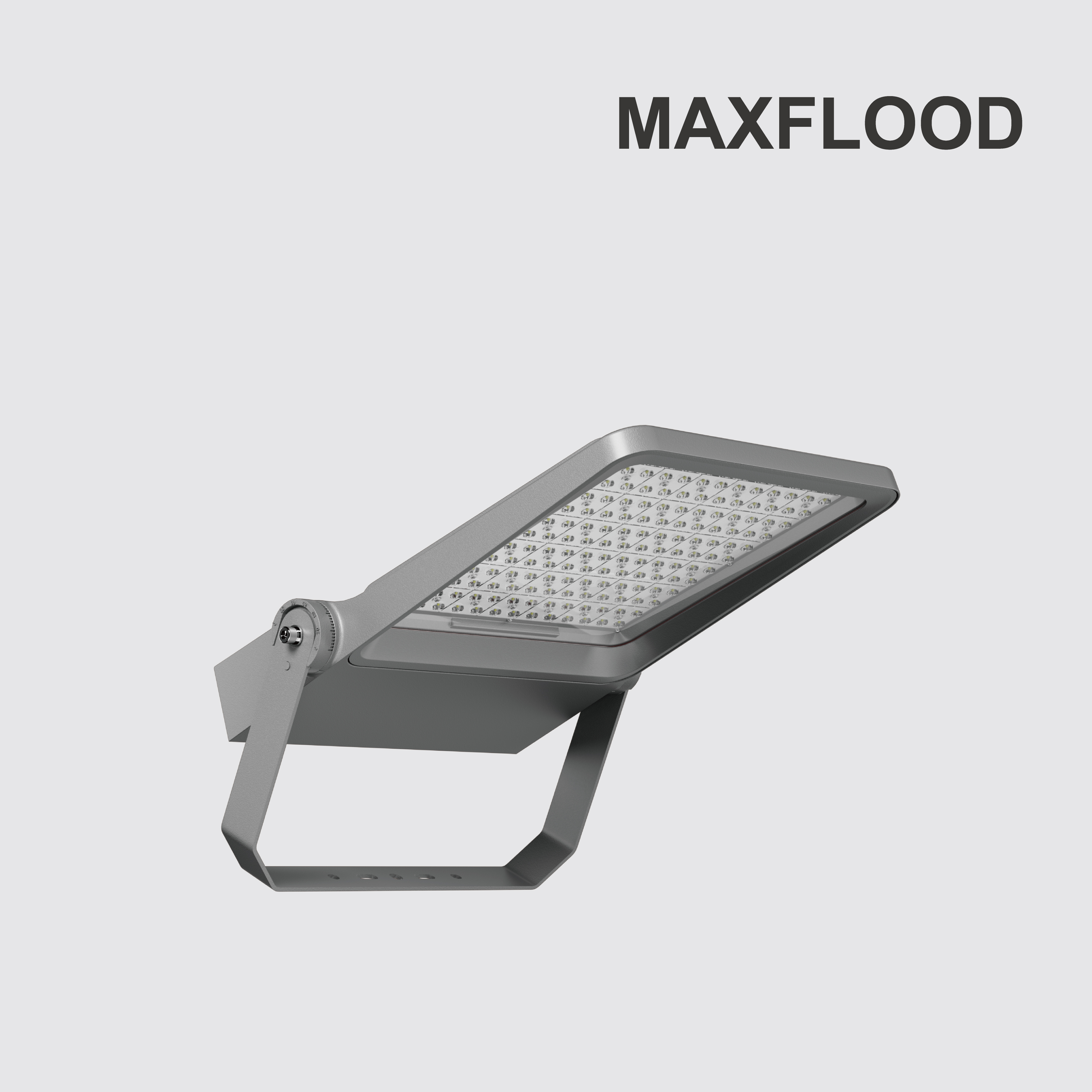
High-output LED floodlights are used to eliminate "blind spots" around commercial warehouses and residential fences. Because LEDs reach full brightness instantly, they are perfectly suited for integration with motion sensors. Data from urban safety studies suggests that well-lit parking lots can see a reduction in crime by up to 30% compared to poorly lit counterparts.
Modern surveillance cameras require consistent light levels to capture high-definition footage. LED fixtures provide a high Color Rendering Index (CRI), typically above 80, which ensures that colors (such as the color of a vehicle or a person's clothing) are recorded accurately at night, aiding in forensic identification.
Municipalities rely heavily on outdoor LED lighting to manage the flow of traffic and ensure pedestrian visibility on public thoroughfares.
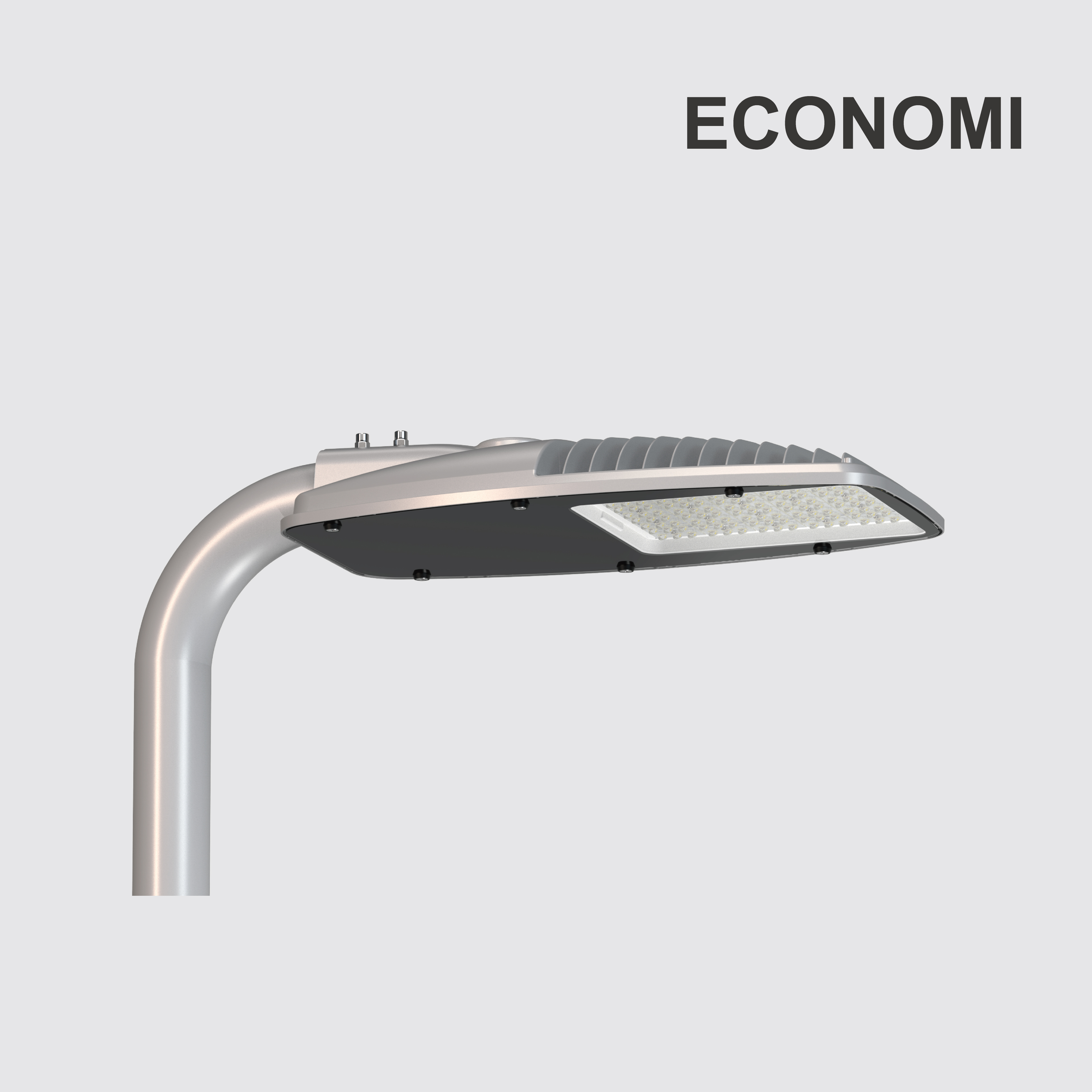
Standardized LED street lights are designed with specific optical lenses to project light onto the asphalt without wasting energy on "sky glow" or intruding into residential windows. By replacing old high-pressure sodium (HPS) lamps, cities can reduce their energy consumption by 50% to 70%.
| Infrastructure Type | Specific LED Usage | Key Benefit |
|---|---|---|
| Highways | High-Mast Lighting | Reduced Glare for Drivers |
| Crosswalks | Targeted Vertical Luminance | Pedestrian Visibility |
| Tunnels | Continuous Linear LEDs | Flicker-Free Transitions |
In the private and commercial sectors, outdoor LED lighting is used as a design tool to increase "curb appeal" and showcase structural elegance after sunset.
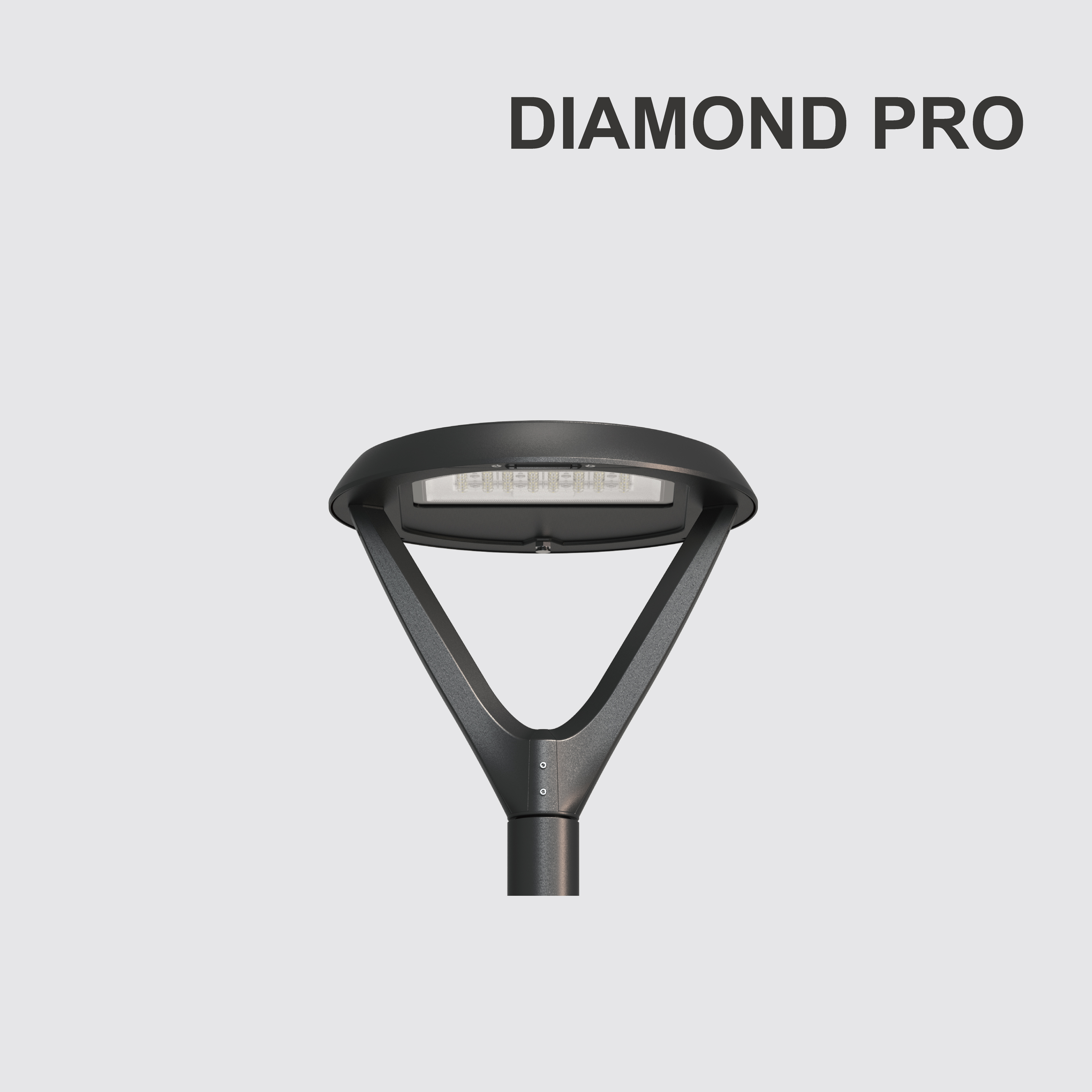
Architects use wall-wash LED fixtures to bathe an entire surface in light or "grazing" techniques to emphasize the texture of stone or brick walls. Because LEDs are available in various color temperatures (e.g., 2700K for warmth, 5000K for modern daylight), the mood of a building can be completely altered.
Low-voltage LED path lights provide safety along walkways without the harsh glare of traditional bulbs. Use cases include:
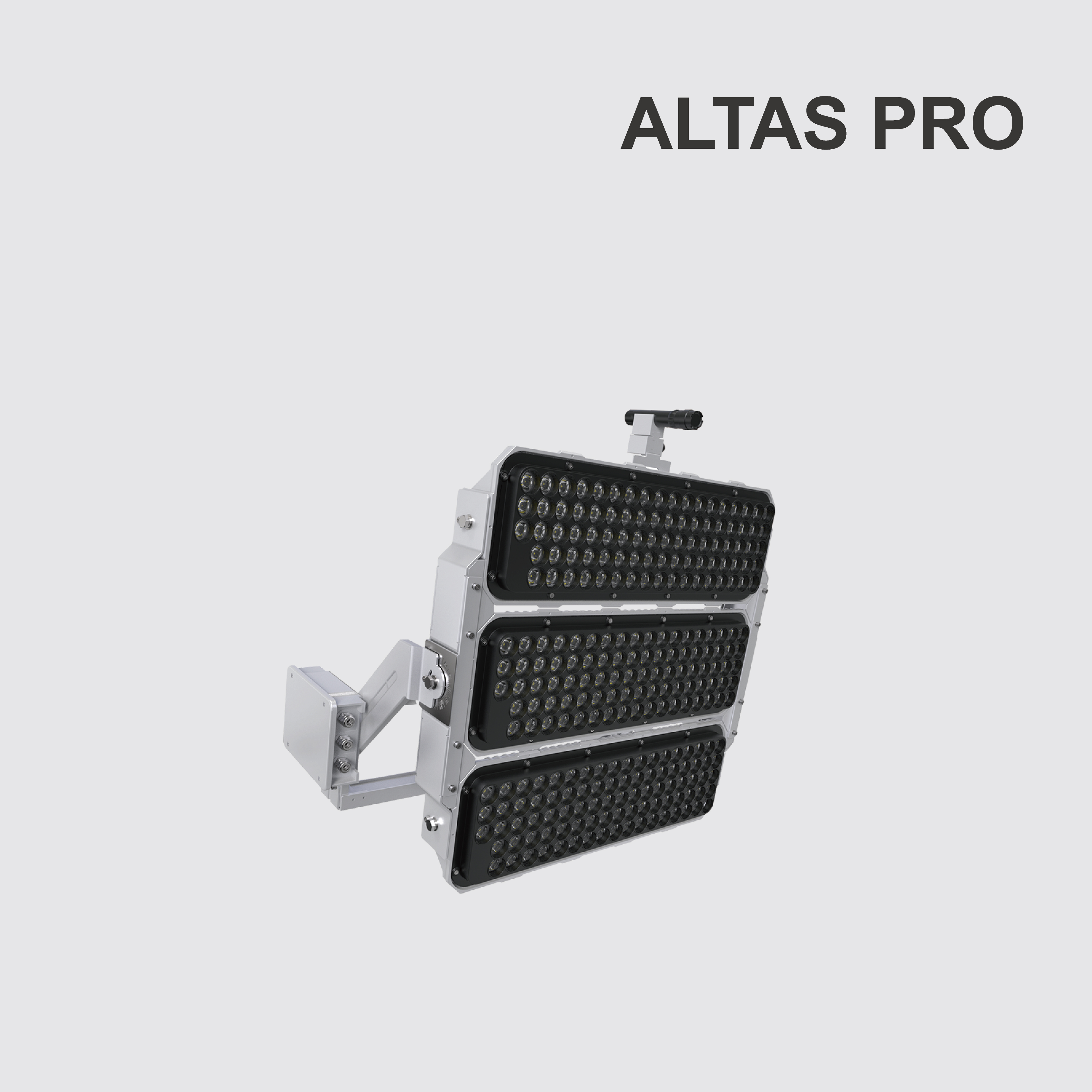
Demanding environments such as shipping ports, construction sites, and stadiums require outdoor LED lighting that can withstand vibration and deliver massive lumen packages.
In sports venues, LED technology has revolutionized the spectator experience. Unlike metal halide lamps that take 15 minutes to warm up, LEDs can be turned on and off instantly, enabling light shows during halftime and reducing energy draw during non-event hours. Furthermore, flicker-free LED drivers are essential for slow-motion television broadcasts, ensuring that the light remains stable at high frame rates.
Modern uses of outdoor LED lighting are increasingly moving toward "Smart City" integration. This involves more than just a light source; it is a networked device.
Smart LED systems can be programmed to dim to 20% power during late-night hours when no traffic is detected, then ramp up to 100% when a vehicle approaches. This "light on demand" approach further extends the lifespan of the fixture, which is already rated for 100,000 hours in many industrial configurations.

Contact Us for More Details
Contact Information
Add:
No. 8 Qingcang Road, Qiangjiao Town, 315612 Ninghai, Ningbo, China
Phone:
+86-574-83530320
Fax:
+86-574-83530330
E-mail:
Join our community and stay connected
 Custom Outdoor lighting Manufacturers

 English
 Français
 Español