2026-02-09
Content
To address the core question directly: the types of outdoor LED lighting available today range from high-intensity security floodlights and functional street lamps to decorative accent lights and landscape bollards. These fixtures are categorized primarily by their intended function—safety, navigation, or aesthetics—and are engineered with ingress protection (IP) ratings to withstand environmental stressors such as rain, snow, and extreme temperature fluctuations.
The versatility of LED technology allows these lights to offer energy savings of up to 75% compared to traditional halogen or metal halide bulbs. Whether you are illuminating a commercial parking lot or a private garden path, the specific fixture design dictates the light distribution pattern, beam angle, and overall visual impact on the environment.
Security is a primary driver for installing outdoor LED lighting. These fixtures are built to produce high-lumen output to eliminate shadows and deter unauthorized activity.
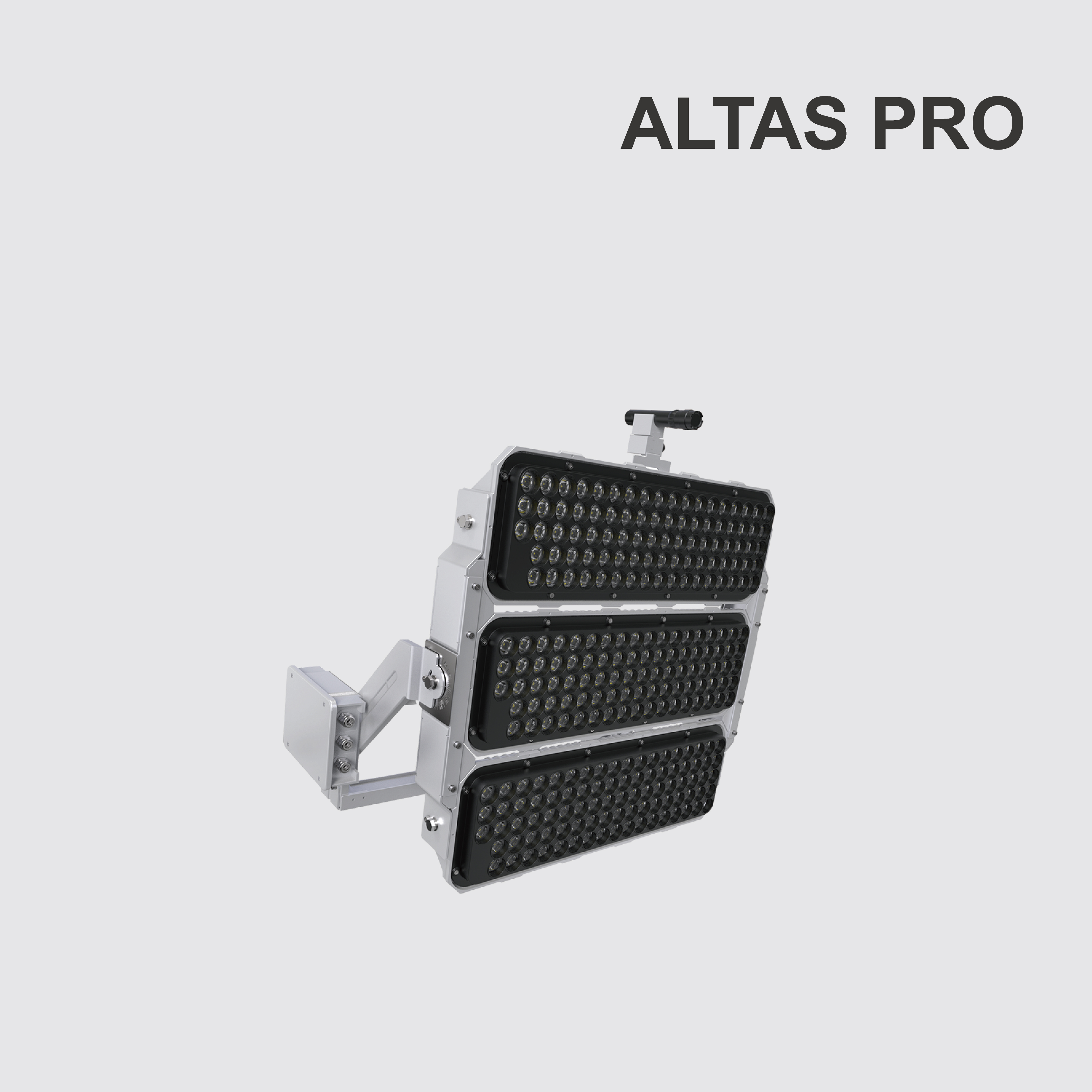
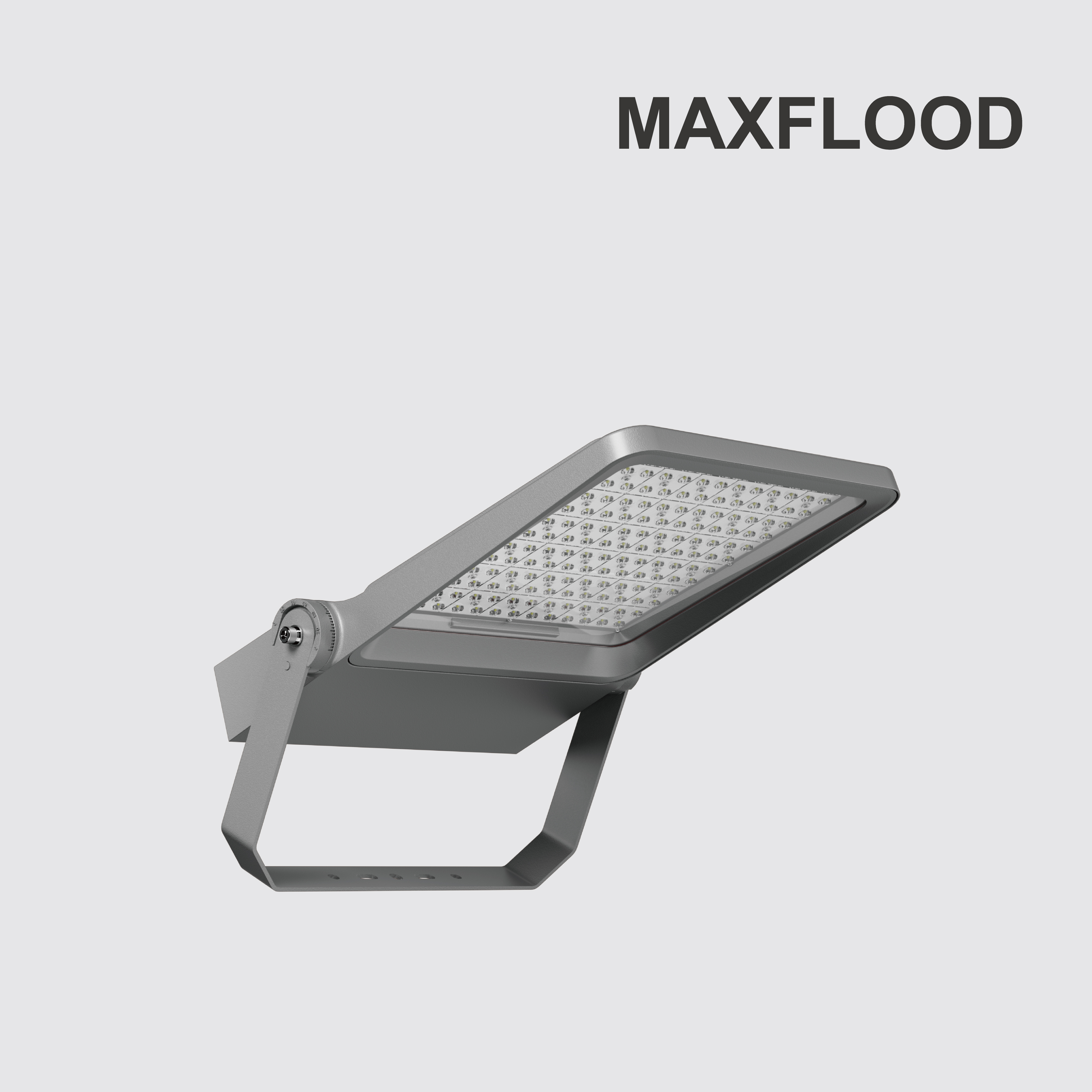
Floodlights provide a wide, powerful beam of light, typically ranging from 50 to 120 degrees. They are often used to cover large areas like driveways, sports fields, or warehouse exteriors. Modern versions frequently include integrated motion sensors that trigger the light only when movement is detected, further reducing energy waste.
Commonly found on the sides of commercial buildings, wall packs are rugged fixtures designed to provide perimeter lighting. They ensure that walkways adjacent to buildings are well-lit for pedestrians and security cameras. Many facilities have seen a significant reduction in maintenance cycles by switching to LED wall packs, which can last over 50,000 hours.
Beyond safety, outdoor LED lighting serves to beautify natural and architectural features. This category focuses on "painting with light" rather than just providing raw visibility.
Path lights are small posts used to line walkways, while step lights are recessed into stairs. These fixtures are crucial for preventing trips and falls. They typically use low-voltage systems (12V or 24V), making them safer for DIY installation in residential gardens.
Spotlights have narrow beam angles (usually under 45 degrees) to highlight specific objects like statues, trees, or flags. By using directional lighting, designers can create dramatic silhouettes and focal points within a landscape.
Choosing the right fixture requires understanding the trade-offs between brightness, spread, and placement. The table below summarizes the key characteristics of the most popular outdoor LED lighting options.
| Fixture Type | Primary Use | Typical Lumens | Beam Spread |
|---|---|---|---|
| Floodlight | Area Security | 2,000 - 10,000+ | Wide (90°+) |
| Path Light | Navigation | 100 - 300 | Downward |
| Spotlight | Highlighting | 500 - 1,500 | Narrow (15°-45°) |
| Wall Pack | Building Perimeter | 3,000 - 8,000 | Medium |
The evolution of outdoor LED lighting has introduced smart controls and renewable energy sources into the mainstream. This allows users to manage their lighting systems with unprecedented precision.
Solar-powered LEDs use photovoltaic cells to charge batteries during the day, powering the lights at night. These are ideal for remote areas where running electrical wires is cost-prohibitive. While early solar models were dim, current high-efficiency panels can support full-night operation for path and decorative lights.
Many modern outdoor LED lighting setups are now compatible with Wi-Fi or Bluetooth mesh networks. This enables features such as:
When selecting any type of outdoor LED lighting, the technical specifications are just as important as the visual design. Because these fixtures are exposed to the elements, their construction must adhere to strict standards.
The IP (Ingress Protection) rating is a critical metric. For example, an IP65 rating indicates that the light is dust-tight and protected against water jets, making it suitable for most garden and building applications. For lights that might be submerged, such as those in fountains or ponds, an IP68 rating is required.
Furthermore, heat dissipation is a major factor in LED longevity. High-quality outdoor fixtures use aluminum heat sinks to draw warmth away from the LED chips, ensuring they don't overheat in the summer sun. This engineering detail is what allows commercial-grade outdoor LED lighting to maintain its brightness and color consistency for a decade or more.
To maximize the benefits of outdoor LED lighting, one should consider the "Dark Sky" compliance. This involves choosing fixtures that are shielded to prevent light pollution, aiming the light downward to protect the natural nighttime environment. By selecting the appropriate wattage and color temperature, you can create a space that is safe, efficient, and visually stunning without overwhelming the surrounding landscape.

Contact Us for More Details
Contact Information
Add:
No. 8 Qingcang Road, Qiangjiao Town, 315612 Ninghai, Ningbo, China
Phone:
+86-574-83530320
Fax:
+86-574-83530330
E-mail:
Join our community and stay connected
 Custom Outdoor lighting Manufacturers

 English
 Français
 Español