2026-05-11
Content
50 lumens is roughly equivalent to the light output of a single birthday candle multiplied by about 10 — it's dim, functional, and intentional. To put it in perspective, a standard 60-watt incandescent bulb produces around 800 lumens. That makes 50 lumens just 6.25% of a typical room light. It's not designed to flood a space with brightness. Instead, it serves focused, low-level lighting needs — accent lighting, nightlights, pathway markers, and subtle outdoor LED lighting applications where harsh brightness would actually be a problem.
If you've ever walked down a dimly lit garden path with small ground lights guiding your way, those fixtures were likely running somewhere between 30 and 80 lumens each. 50 lumens sits comfortably in that range — visible enough to serve its purpose, subtle enough not to create glare or light pollution.
A lumen (lm) is the standardized unit of luminous flux — it measures the total quantity of visible light emitted by a source per second. Unlike watts, which measure energy consumption, lumens tell you about actual perceived brightness. This distinction matters enormously when comparing older incandescent technology with modern outdoor LED lighting solutions.
Here's a concrete comparison that helps frame what 50 lumens really means in the broader lighting spectrum:
| Light Source | Approximate Lumens | Typical Use |
|---|---|---|
| Single candle | ~12 lm | Ambient/decorative |
| 50 lumens LED | 50 lm | Pathway, accent, nightlight |
| 40W incandescent | ~450 lm | Small room task lighting |
| 60W incandescent | ~800 lm | General room lighting |
| 100W incandescent | ~1600 lm | Bright room / workspace |
| Outdoor floodlight LED | 2000–5000 lm | Security, large area |
The efficiency of modern outdoor LED lighting means that a fixture consuming only 0.5 to 1 watt of electricity can produce a clean, consistent 50 lumens. Older technologies needed far more energy to achieve similar outputs, making LED the obvious choice for low-lumen applications today.
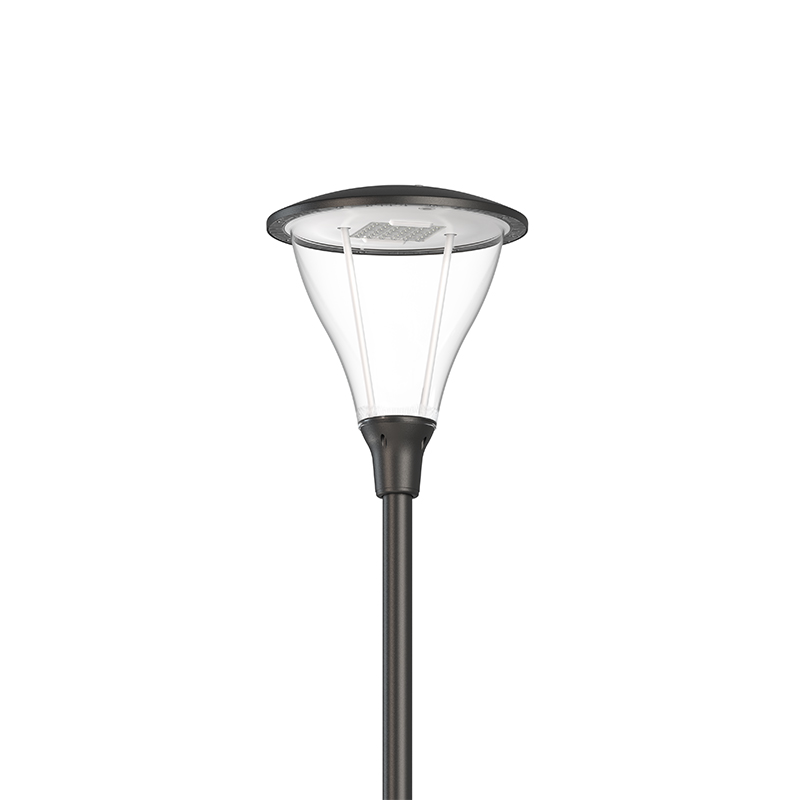
The practical visibility of 50 lumens depends heavily on two variables: the size of the area you're trying to illuminate, and the ambient light conditions around it. In complete darkness, 50 lumens creates a usable pool of light covering roughly 10 to 15 square feet at close range. In a semi-dark outdoor environment, it's enough to mark a path edge, identify a step, or signal a boundary.
Here's what you can realistically do with 50 lumens:
What 50 lumens cannot do: illuminate a room for sustained work, provide meaningful security lighting over a large driveway, or replace any task-oriented light fixture. It's not the right tool for those jobs — and choosing it for them leads to frustration.
The outdoor LED lighting market has embraced low-lumen fixtures with purpose. Not every outdoor situation calls for a blazing 2000-lumen floodlight — in fact, overlighting outdoor spaces creates glare, disrupts wildlife, causes neighbor complaints, and adds unnecessary cost. 50 lumens hits a sweet spot for several specific outdoor contexts where subtlety and efficiency matter more than raw power.
Path lights in the 30–100 lumen range are considered the professional standard for residential landscaping. A single 50-lumen fixture placed every 6 to 8 feet along a walkway creates continuous, even illumination that guides movement without blinding anyone walking toward them. Most solar-powered path lights on the market today produce between 15 and 80 lumens — 50 lumens is the middle-range performer in this category, offering noticeably better output than the cheapest solar stakes while remaining gentle on the eye.
Step lights, recessed into risers or mounted on walls beside stairs, typically target the same range. The goal is to illuminate the edge of each step clearly — not the entire staircase like a spotlight — so 50 lumens is functionally well-matched to this job.
Uplighting a small ornamental shrub, a potted plant near an entrance, or a low garden wall requires just enough light to draw the eye without washing out the texture and color of what you're highlighting. Landscape designers typically recommend 20–75 lumens for small accent fixtures. A 50-lumen LED spotlight positioned at the base of a 3-foot ornamental grass creates a dramatic silhouette effect at night that a 500-lumen fixture would completely destroy by overexposure.
Deck post cap lights, railing lights, and in-deck recessed LEDs commonly operate in the 20–100 lumen range. 50 lumens per fixture is a popular spec for this application because the cumulative effect of multiple fixtures creates a warm, social atmosphere without creating harsh patches of glare. If a deck has 12 post cap lights at 50 lumens each, the total output is 600 lumens distributed evenly across the entire space — comparable to a single 60-watt bulb but spread across a large area in a far more pleasing way.
Low-profile bollard lights or ground markers at driveway edges typically target 50–150 lumens depending on the fixture height and spacing. At the lower end, 50-lumen markers are sufficient when placed close together (every 4–6 feet) and work especially well in areas where light pollution is a concern — rural properties, beachfront homes, and residential neighborhoods with strict outdoor lighting ordinances.
Context changes everything when evaluating perceived brightness. 50 lumens in a pitch-black room feels significantly brighter than 50 lumens on a patio with surrounding ambient light from neighboring homes. The science behind this is the human eye's adaptation to ambient light levels — our pupils dilate in darkness, making us more sensitive to any available light.
| Environment | How 50 Lumens Appears | Practical Usefulness |
|---|---|---|
| Pitch-dark bedroom | Moderately bright | High — easy navigation |
| Dark garden at night | Clearly visible glow | High — effective path marker |
| Suburban backyard (some ambient light) | Dim but present | Medium — works for accent only |
| Urban street-lit area | Barely noticeable | Low — may need higher output |
| Daytime outdoors | Not visible | None |
This is why professional outdoor LED lighting designers don't just spec lumens in isolation — they account for the lighting environment, fixture spacing, beam angle, and surface reflectivity before recommending a lumen output.
Lumen output is only part of the story. A 50-lumen fixture with a narrow 15° beam angle concentrates all that light into a tight spot — which appears far brighter and more intense than a 50-lumen fixture with a wide 120° flood beam spreading light over a large area. This is why two fixtures with identical lumen ratings can look dramatically different in practice.
The metric that accounts for beam angle is called lux (lx) — it measures illuminance, or how much light falls on a specific surface area. A 50-lumen spotlight at 15° might deliver 200+ lux at 1 meter, while a 50-lumen floodlight at 120° might deliver only 20 lux over the same distance. For outdoor LED lighting tasks:
When selecting outdoor LED lighting fixtures rated at 50 lumens, always check the beam angle specification alongside the lumen rating. A product listing just "50 lumens" without specifying beam angle is giving you half the information you need to predict how it will actually perform.
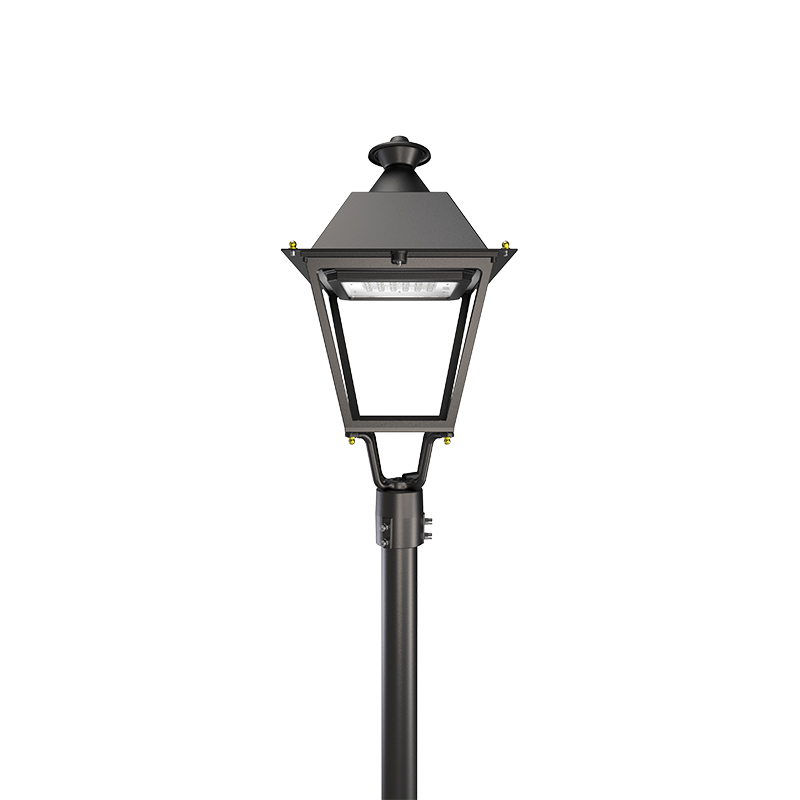
The solar outdoor lighting market is one of the areas where 50 lumens comes up most frequently — and also where it's most frequently misrepresented. Many budget solar path lights advertise "50 lumens" on the packaging, but this figure often represents peak output under ideal conditions: full battery, new LEDs, and a dark environment. Real-world output after a cloudy day or after 12 months of use can drop to 20–30 lumens.
What to look for in a legitimately rated 50-lumen solar outdoor LED lighting fixture:
Wired outdoor LED lighting fixtures rated at 50 lumens don't have the same variability problem — their output is stable and consistent. For applications where reliable 50-lumen output every single night matters (safety steps, driveway markers, entry paths), wired or low-voltage transformer-based systems are more dependable than solar.
One of the compelling arguments for using outdoor LED lighting in the low-lumen range is how little electricity it consumes. A modern LED producing 50 lumens typically draws between 0.5 and 1 watt. Compare that to an incandescent equivalent that would need 5–8 watts to produce similar light output.
Running a 1-watt LED fixture for 8 hours per night, 365 days per year, consumes 2.92 kWh annually. At an average electricity rate of €0.30 per kWh (a reasonable estimate for many European households in 2024), that's less than €0.88 per year per fixture. Even a landscape installation with 20 path lights at 50 lumens each costs under €18 per year to run — a negligible operating cost.
This efficiency makes 50-lumen outdoor LED lighting an economically sound choice for installations where many fixtures are used simultaneously across a property. The upfront cost of quality LED fixtures pays for itself quickly when compared to maintaining older halogen or incandescent equivalents that burned significantly more power for similar or inferior output.
Knowing when 50 lumens falls short is just as important as knowing when it's appropriate. There are several outdoor scenarios where people commonly install 50-lumen fixtures and end up disappointed:
Motion-activated security lights for driveways, garages, and building perimeters need to flood an area with sudden, bright light. The recommended range for security floodlights starts at 700–1000 lumens for a small area and goes up to 2000–5000 lumens for large zones. 50 lumens in this context does nothing meaningful — it won't startle, disorient, or clearly expose an intruder.
Barbecue areas, outdoor workshops, garage forecourts, and any space where you need to see detail clearly for tasks require a minimum of 300–500 lumens, with 800+ lumens preferred for detailed work. A 50-lumen fixture in these spaces is decorative at best and dangerously inadequate at worst.
Backyard basketball courts, swimming pools, and play areas need outdoor LED lighting in the thousands of lumens. Sports applications require shadow-free, high-intensity illumination — 50 lumens doesn't register as meaningful in these contexts.
For parking or vehicle-maneuvering areas, 150–500 lumens per fixture with appropriate spacing is the standard recommendation. 50 lumens might mark the boundary of a parking area, but it cannot illuminate it functionally.
The rule of thumb: if the purpose of the light is to mark something, 50 lumens usually works. If the purpose is to illuminate something for active use, you need significantly more.
50 lumens of warm white light (2700K–3000K) feels noticeably different from 50 lumens of cool daylight white (5000K–6500K), even though the total light output is identical. Warm white light appears softer, more amber-toned, and more natural in garden and residential outdoor settings. Cool white light appears crisper and more blue-tinged — which can work well in modern architectural contexts but feels stark in traditional garden landscapes.
For most residential outdoor LED lighting applications at the 50-lumen level, 2700K–3000K warm white is the standard recommendation from landscape professionals. It:
The last point is particularly useful: choosing a warm white 50-lumen LED over a cool white version effectively makes it appear slightly brighter in practice, which is a free performance gain with no additional energy cost.
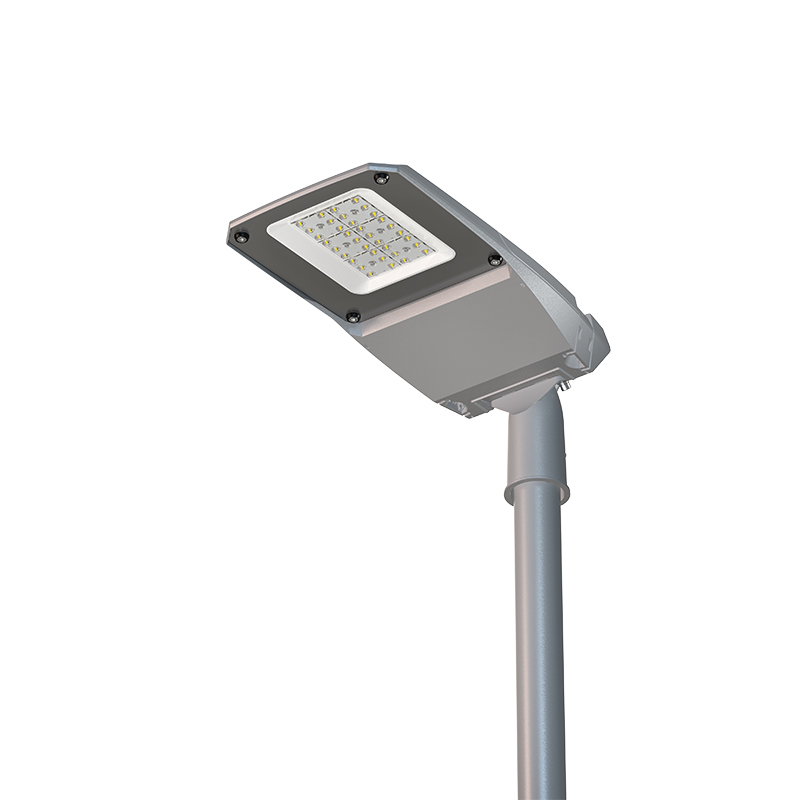
The outdoor LED lighting market offers a wide variety of fixture types in the 50-lumen range. Knowing which fixture type matches your specific application saves time, money, and frustration. Here's a breakdown of common fixture types and their suitability:
| Fixture Type | Best Application at 50 lm | Key Feature to Check |
|---|---|---|
| Stake path light (solar) | Garden pathways | Battery capacity, run time |
| Recessed step light (wired) | Deck or stair risers | IP rating, trim finish |
| Bollard light (low voltage) | Driveway/border marking | Height, beam distribution |
| Spike spotlight (wired) | Plant/feature uplighting | Beam angle, adjustability |
| Post cap light (solar or wired) | Fence/deck post caps | Post size compatibility |
| Recessed ground well light | Flag/tree base uplighting | Load rating, waterproofing |
When comparing products, look for fixtures that specify lumens under realistic operating conditions rather than peak lab measurements. Reputable outdoor LED lighting brands publish photometric data — lumen output, beam angle, color temperature, and CRI — that lets you make a proper comparison. Budget products rarely provide this level of detail, which makes performance unpredictable.
There's growing recognition among lighting designers and environmentalists that outdoor lighting in residential areas has been systematically over-specified for decades. Many homeowners install 500–1000 lumen fixtures for applications where 50 lumens would have done the job better and with far less environmental impact.
Light pollution from excessive outdoor LED lighting disrupts the sleep cycles of birds, insects, and mammals. It reduces the visibility of the night sky for everyone in the area. It causes glare that reduces visibility rather than improving it — a counterproductive outcome for safety applications. And it creates unnecessary ongoing energy consumption for zero additional functional benefit.
The International Dark-Sky Association (IDA) and many municipal planning authorities now recommend "minimum effective dose" outdoor lighting — using the lowest lumen output that safely meets the functional requirement. For path, accent, and marker lighting, that dose is usually in the 30–100 lumen range. 50 lumens represents responsible, purposeful outdoor LED lighting practice when applied to appropriate use cases.
Some jurisdictions in Europe have introduced dark-sky preservation zones where outdoor lighting above certain lumen thresholds requires planning permission. In these areas, 50-lumen fixtures may be the maximum permitted output for decorative residential outdoor use — making knowledge of this lumen range not just helpful but legally relevant.
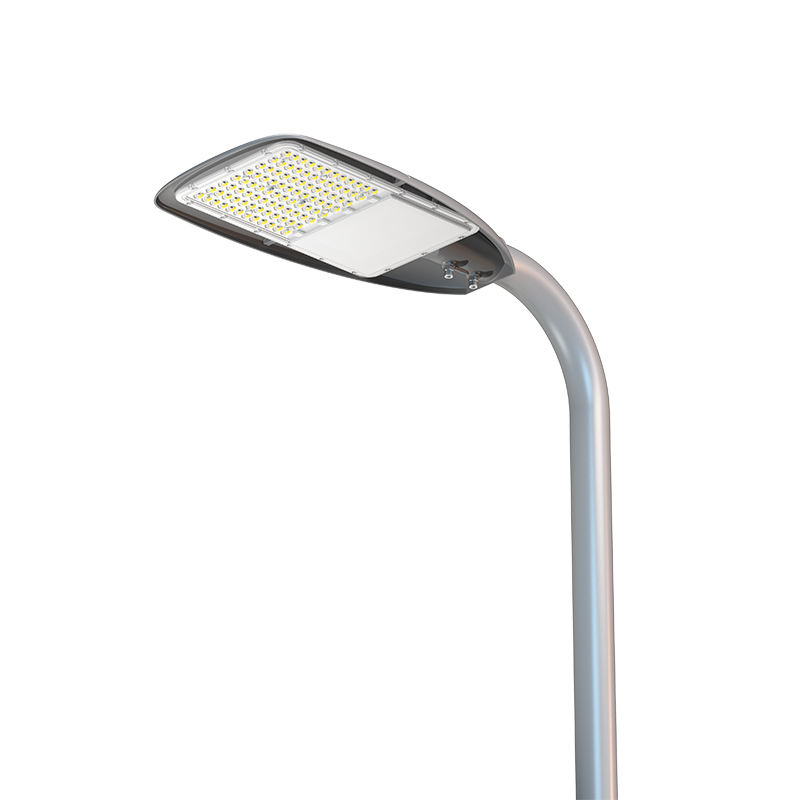
Working with low-lumen outdoor LED lighting effectively is a matter of placement, spacing, and complementary design choices. These practical guidelines help maximize the impact of 50-lumen fixtures:

Contact Us for More Details
Contact Information
Add:
No. 8 Qingcang Road, Qiangjiao Town, 315612 Ninghai, Ningbo, China
Phone:
+86-574-83530320
Fax:
+86-574-83530330
E-mail:
Join our community and stay connected
 Custom Outdoor lighting Manufacturers

 English
 Français
 Español