2026-01-20
Content
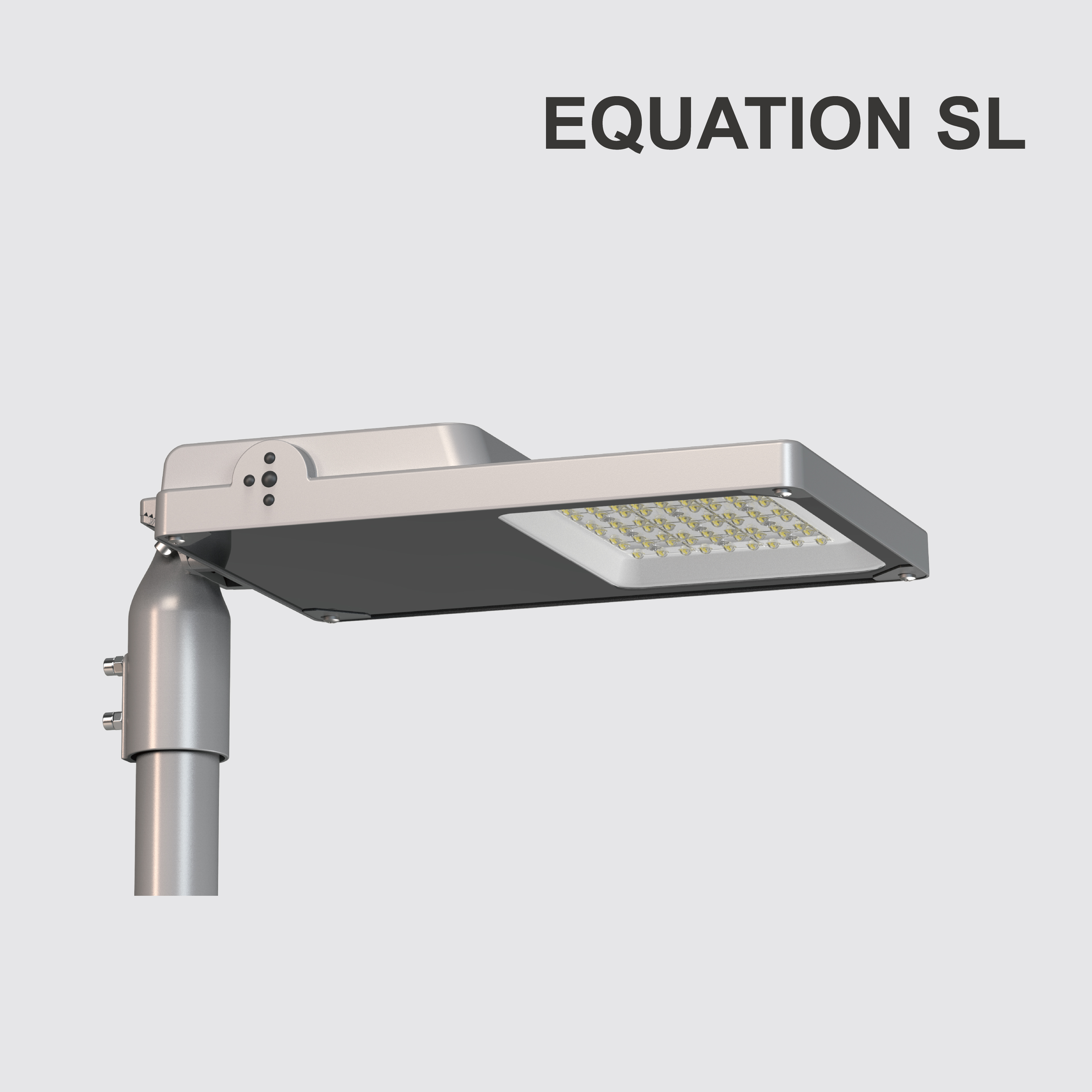
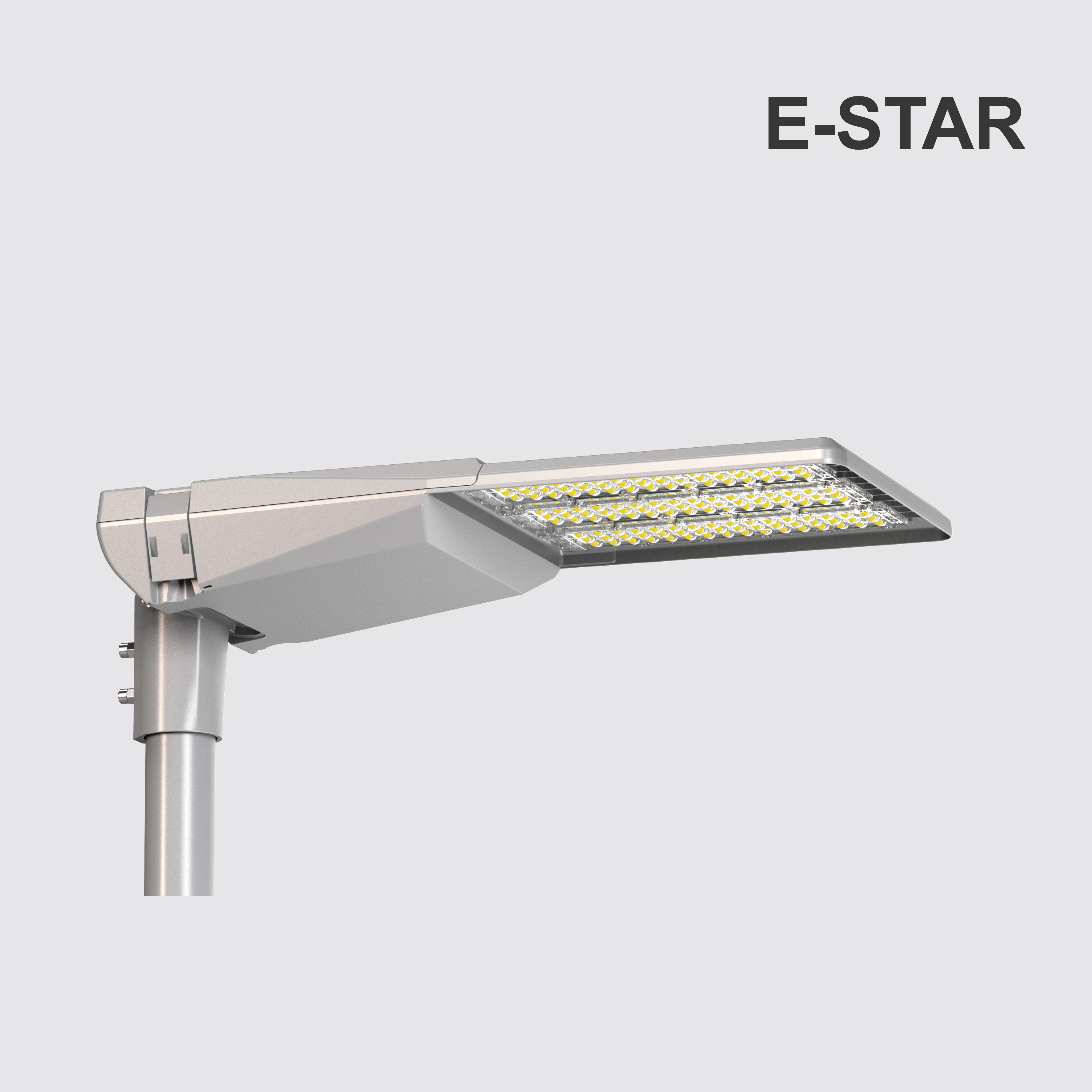
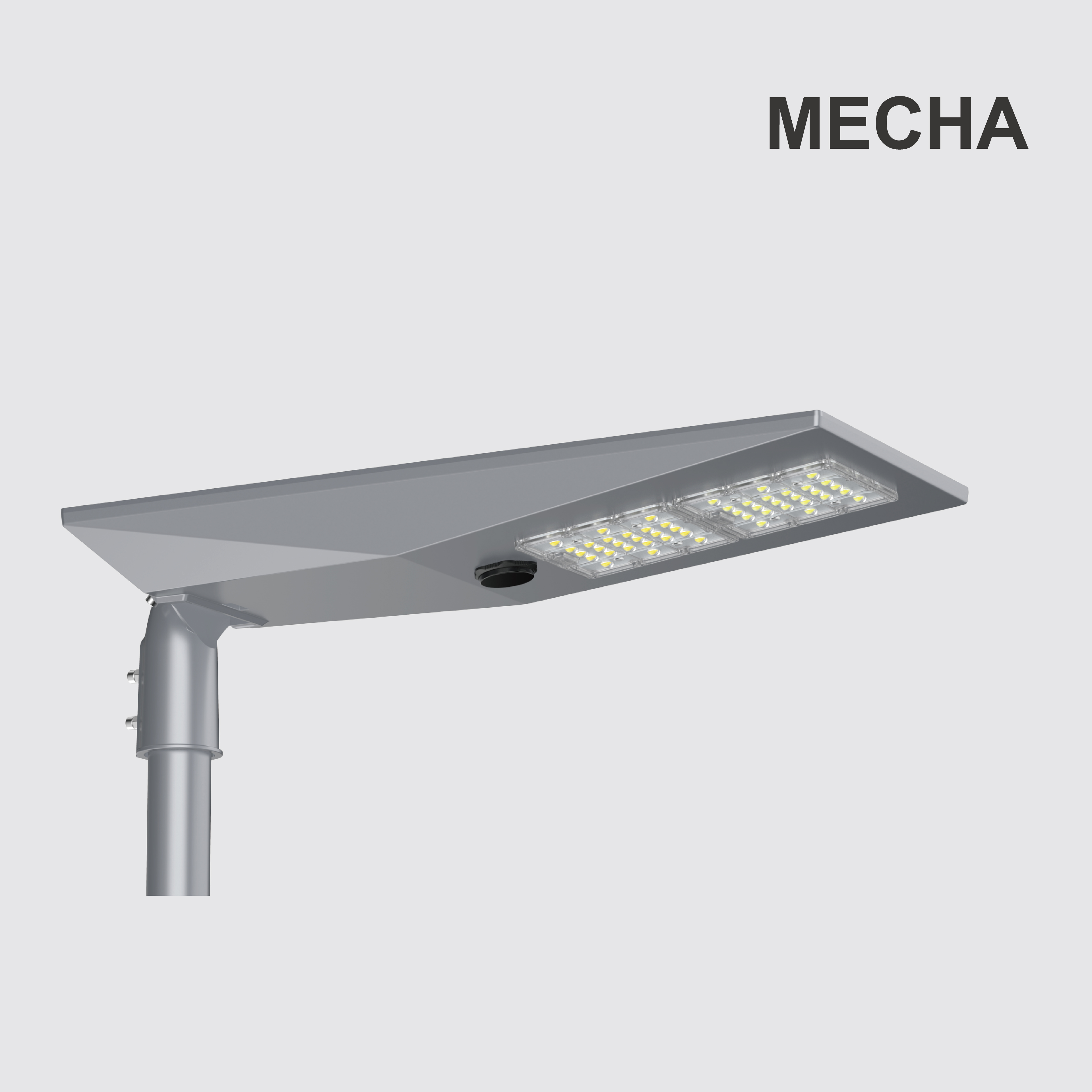
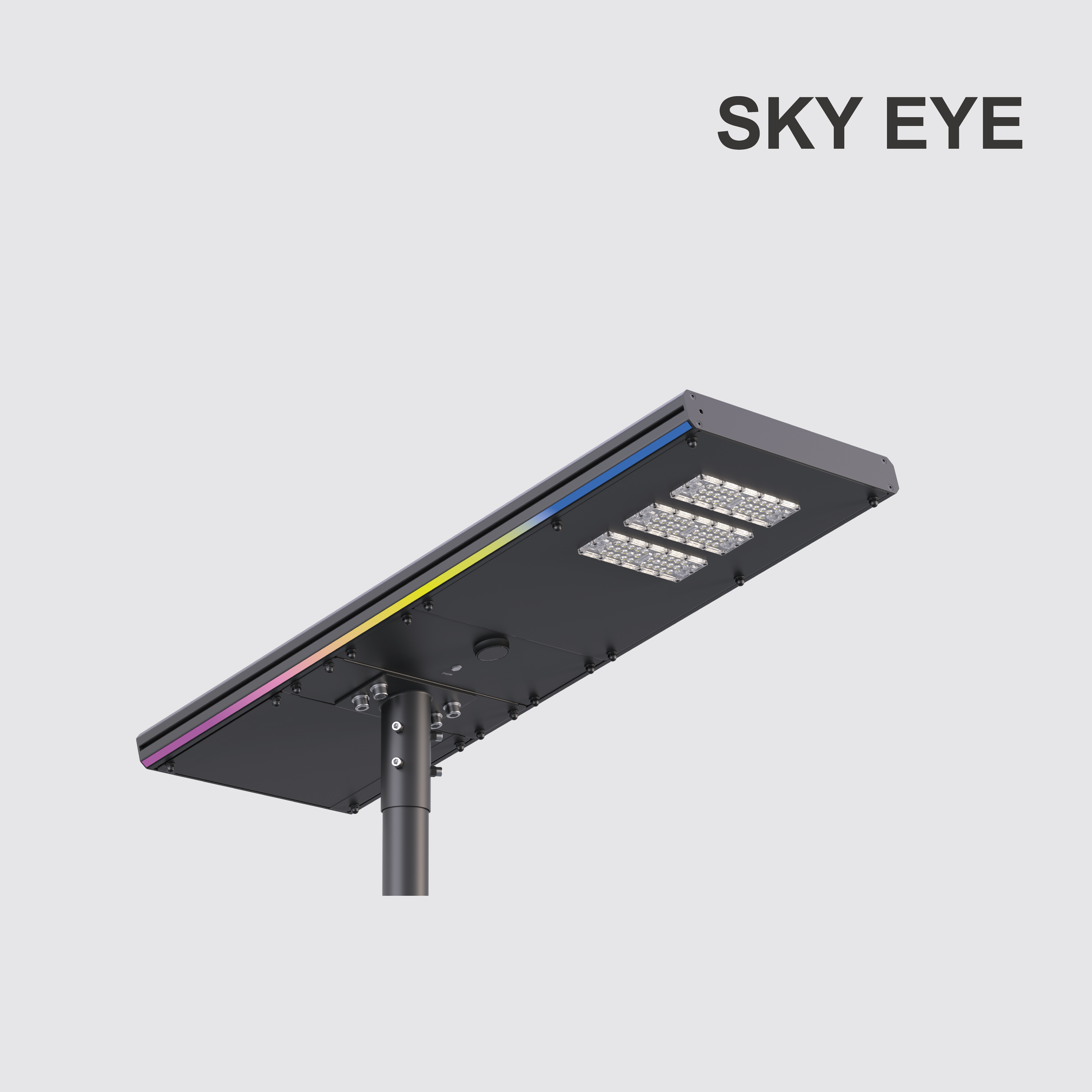
Street lighting refers to the infrastructure that illuminates roads, sidewalks, parking lots, and public spaces. It includes the light fixtures (luminaries), poles, power supply, and control systems.
When purchasing street lighting, buyers focus heavily on the following specs:
a. Luminous Efficacy (Lumens per Watt)
This metric measures energy efficiency—how much light (lumens) you get per unit of power (watts). Higher values mean lower electricity bills.
Industry Benchmark: Modern LED streetlights typically achieve 150 lm/W to 200 lm/W or higher.
Reference: Companies like Lumileds have introduced products reaching 175 lm/W at 2W drive conditions.
b. Light Output (Lumens)
Total Light: Streetlights can range from 6,000 lumens (low power) to 20,000 lumens or more (high power).
Application Matching: Higher lumens are needed for wider roads or higher traffic areas.
c. Color Temperature (Kelvin) & CRI
Kelvin (K): Indicates the hue of the light.
3000K: Warm white (yellowish), often used for residential areas.
4000K-5000K: Neutral to cool white (bluish), common for commercial and road applications.
CRI (Color Rendering Index): Measures color accuracy. A CRI of 80+ is generally acceptable for street lighting.
d. Ingress Protection (IP Rating)
Indicates resistance to dust and water—crucial for outdoor durability.
IP65: Dust-tight and protected against water jets (standard for most outdoor lighting).
IP66: Higher protection against powerful water jets, suitable for harsh environments or high-pressure cleaning.
e. Power Consumption
Standard Power Levels: 40W, 80W, 120W, 150W, 200W, etc.
Example: A 150W LED streetlight can replace a traditional 400W metal halide lamp, offering significant energy savings.
Buyers need to know the various options available in the market.
Traditional vs. Modern:
Traditional: Includes high-pressure sodium (HPS), metal halide, and fluorescent lights. These are being phased out due to lower efficiency and higher maintenance costs.
Modern: Primarily LED-based solutions, which dominate the current market due to their superior performance and lower total cost of ownership.
Power Source Options:
Grid-Powered: Standard LED fixtures connected to the municipal power grid.
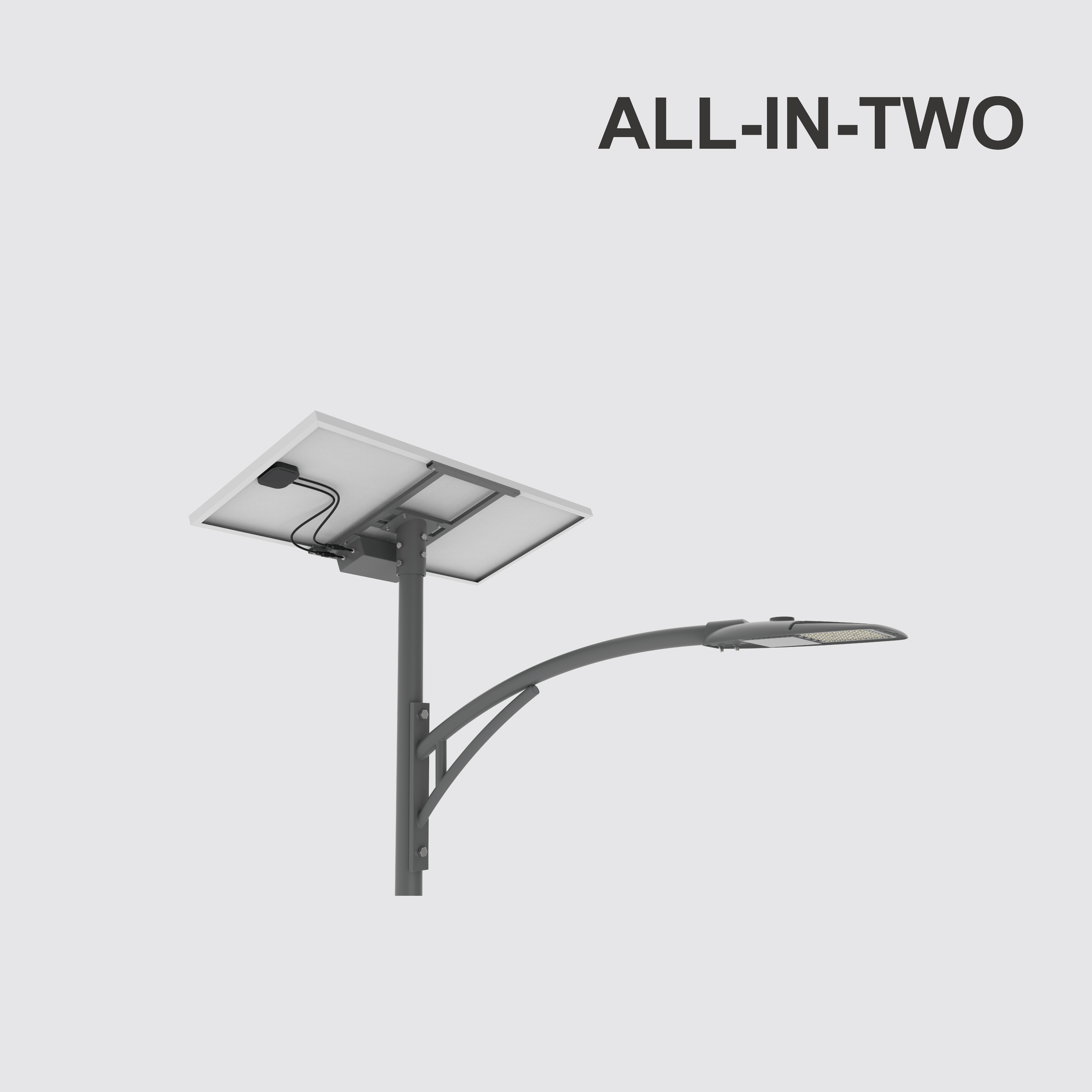
Solar-Powered: All-in-one solar LED street lights that include solar panels, batteries, and LED modules. Buyers should check for monocrystalline panels for higher efficiency and verify battery capacity for extended lifespan.
Specialized Variants:
Smart Street Lights: Integrated with IoT sensors for adaptive lighting, traffic monitoring, and environmental data collection.
Decorative/Architectural: Designed for aesthetic appeal, often used in historic districts or for branding purposes.
| Type | Key Features | Typical Applications | Pros | Cons |
|---|---|---|---|---|
| LED Street Lights | High efficiency (up to 150 lm/W), long lifespan (50,000+ hrs) | Urban streets, highways, commercial areas | Energy savings, low maintenance, instant on/off | Higher upfront cost |
| Solar-Powered Lights | Integrated solar panels, battery storage, often LED | Rural areas, developing regions, eco-friendly projects | Off-grid, low operating cost, green energy | Dependent on sunlight, higher initial CAPEX |
| Smart/Connected Lights | IoT sensors, dimming, remote monitoring, data analytics | Smart cities, high-traffic zones | Adaptive lighting, fault detection, data insights | Requires network infrastructure, higher complexity |
| Traditional HPS (Legacy) | High pressure sodium lamps, decent efficiency | Older installations, low-budget replacements | Lower initial cost | Higher energy use, longer warm-up time, shorter lifespan |
Buyers increasingly look for smart and sustainable solutions:
a. Solar Street Lights
Self-Powered: Equipped with solar panels and batteries, ideal for off-grid locations.
Market Trend: The global solar street lighting market is projected to grow at a CAGR of 10.5%, reaching $11.1 billion by 2033 .
Key Considerations: Battery capacity (to handle cloudy days), solar panel wattage, and IP rating for the solar panel.
b. Smart Controls & Sensors
Photocell (Light Sensor): Automatically turns lights on/off based on ambient light levels.
Motion Sensors (PIR): Dims or turns off lights when no activity is detected, further reducing energy consumption.
IoT Integration: Some modern systems allow remote monitoring, fault detection, and dimming control via cloud platforms.
c. Energy Savings
LED vs. Traditional: LED streetlights can reduce energy consumption by 50-70% compared to high-pressure sodium or metal halide lamps.
Longevity: LED streetlights typically have a lifespan of 50,000 to 100,000 hours, reducing maintenance costs.
Proper design ensures safety, compliance, and efficiency.
Illuminance Levels: Street lighting design follows specific illuminance standards based on road type and usage (e.g., highways vs. residential streets). Standards often reference IES (Illuminating Engineering Society) guidelines and specify footcandle levels for different tasks.
Uniformity & Glare Control: Proper placement and beam angle are crucial to avoid dark spots and reduce glare for drivers. LED fixtures often provide better uniformity and focused lighting patterns.
Smart Lighting Controls: Modern systems can include dimming, motion sensors, and adaptive controls to adjust lighting based on real-time conditions, further reducing energy consumption.
Regulatory Compliance: Ensure compliance with local and international standards (e.g., IEC, CEC, IES RP-8) for safety, performance, and environmental impact.
Buyers often search for a checklist to ensure they select the right product:
Compatibility: Ensure the light's voltage matches the existing system (e.g., 120V, 240V, or 48V DC for solar).
Power Supply: For solar lights, check solar panel wattage and battery capacity to ensure they can store enough energy for nighttime operation.
Installation & Maintenance: Look for plug-and-play kits or complete solar street light kits that include everything needed for quick installation. Also consider the availability of spare parts and the manufacturer's warranty terms.
Regulatory Compliance: Verify that the product meets local standards for luminance levels, energy efficiency, and environmental impact. Many regions have specific bylaws or codes governing street lighting design.
Aesthetic & Environmental Considerations: Modern designs often incorporate aesthetic lighting (e.g., decorative poles, dynamic color-changing LEDs) and environmentally friendly materials (e.g., lead-free, mercury-free).
a. Market Dynamics
Growth Drivers: Urbanization, smart city initiatives, and government incentives for energy-efficient infrastructure are driving demand.
Regional Leaders: Asia-Pacific, particularly China and India, dominate the market due to large-scale urban development projects.
b. Cost Considerations
Initial Investment: LED and solar streetlights have higher upfront costs than traditional lighting.
Total Cost of Ownership (TCO): Over a 10-15 year period, the reduced electricity and maintenance costs of LEDs often result in overall savings.
c. Procurement Checklist
When buying street lighting, ensure the following:
Compliance: Verify certifications (e.g., CE, RoHS, DLC) and IP rating suitability.
Warranty: Look for warranties of 2-5 years for LEDs and 5-10 years for drivers.
Installation Compatibility: Ensure the fixture fits the pole height and mounting type.
Smart Features: Decide if you need sensors or IoT connectivity.
Supplier Support: Consider after-sales service and availability of spare parts.
Based on buyer guides and procurement criteria, here are essential tips to ensure a successful purchase.
Match the Voltage: Verify that the street light's voltage matches your existing grid or power source.
Check Brightness Requirements: Ensure the lumen output is sufficient for your specific area (e.g., residential street vs. highway).
Safety and Glare Control: Look for features that reduce glare for drivers and provide uniform illumination to enhance safety.
Complete Kit vs. Separate Components: For solar solutions, decide between a complete all-in-one unit or a split system (separate panel, battery, and light). Ensure all components are compatible to avoid system failures.
Warranty and Service: Prioritize products with clear warranty terms (typically 3-5 years) and reliable after-sales support.
8.1 Key Metrics Explained
| Metric | What It Means | Why It Matters for Buyers |
|---|---|---|
| Lumens (lm) | Total amount of visible light emitted. | Higher lumens mean brighter light. For street lighting, you typically need 5,000 - 10,000 lumens per fixture for standard roads。 |
| Color Temperature (K) | Describes the hue of the light source. | 3000K - 4000K is ideal for streets: warm enough to reduce glare but cool enough for clear visibility。 |
| CRI (Color Rendering Index) | Measures how accurately colors appear under the light. | A CRI of 80+ is recommended for streets to ensure accurate color perception, which is crucial for safety and security。 |
| IP Rating (Ingress Protection) | Indicates resistance to dust and water. | Look for IP66 or IP67 for street lights, as they need to withstand rain, snow, and dust。 |
| Luminous Efficacy (lm/W) | Ratio of light output to power consumption. | Higher efficacy (e.g., 150 lm/W) means lower electricity bills。 |
| Power Factor (PF) | Efficiency of electrical power usage. | A PF close to 1.0 indicates efficient power usage, reducing strain on the grid。 |
Buyers often search for solutions tailored to specific environments.
Residential Streets: Prioritize low glare, warm white lighting (3000K), and moderate brightness for safety and comfort.
Commercial Parking Lots: High brightness (5000+ lumens), durable construction (IP66+), and uniform distribution are key.
Municipal Roads/Highways: Look for high-output LED fixtures with robust pole structures, high wind resistance, and long lifespan.
Proper installation is crucial for the performance and longevity of street lighting systems. Buyers should be aware of the following standards and procedures:
a. Pole Height and Placement
Standard Height: Typically, the pole height is 1/4 to 1/5 of the road width. For a 10m wide road, the recommended pole height is 2.5-4 meters. This ratio helps to avoid glare for drivers and ensures uniform illumination .
Spacing: The distance between poles depends on the road type. Highways may have poles spaced 30-50 meters apart, while residential streets might have poles every 20-30 meters.
b. Light Distribution and Glare Control
Beam Angle: Choose the appropriate beam angle based on the application:
Narrow Beam (≤60°): Ideal for tunnels or focused lighting.
Wide Beam (≥120°): Suitable for large open areas like squares or parking lots.
Anti-Glare Design: Ensure the luminaire has proper shielding to prevent direct light from shining into drivers' eyes. This is critical for safety and to comply with road lighting standards.
c. Wiring and Power Supply
Cable Selection: Use UV-resistant, high-temperature resistant cables for outdoor installations.
Electrical Protection: Ensure the driver (power supply) is housed in a waterproof enclosure (IP65/IP66). This protects against rain, dust, and accidental water contact.
One of the biggest advantages of LED and solar street lighting is the reduced maintenance cost. However, a proactive approach is essential for optimal performance.
a. Remote Monitoring (IoT Integration)
Fault Detection: Modern smart lighting systems can send real-time alerts if a lamp fails or if the driver malfunctions.
Energy Monitoring: Track the power consumption of each lamp or group of lamps. This helps in identifying any abnormal spikes that could indicate a problem.
b. Cleaning and Physical Maintenance
Cleaning Frequency: Depending on the environment (e.g., high dust or industrial areas), the fixtures may need cleaning once a year or more frequently.
Driver Replacement: While LEDs have a long lifespan (50,000+ hours), the driver usually has a shorter lifespan. Buyers should budget for potential driver replacements after 5-10 years.
c. Battery Management (Solar Systems)
Battery Replacement: For solar streetlights, the battery (often lead-acid or lithium) is the most consumable part. It typically needs replacement every 3-5 years, depending on usage and climate.
Battery Health Monitoring: Advanced systems can monitor the battery's charge cycles and health, providing early warnings before a failure occurs.
Understanding the financial implications helps buyers make informed decisions beyond the initial purchase price.
a. Total Cost of Ownership (TCO)
Initial Investment: LED and solar streetlights have higher upfront costs compared to traditional HPS or MH lamps.
Operational Savings: Over a 10-15 year period, the energy savings (50-70% less electricity) and reduced maintenance (fewer replacements) often result in a positive ROI.
Financing Options: Some suppliers offer financing plans where the cost is spread over the expected energy savings, reducing the need for large capital outlays.
b. Government Incentives
Subsidies and Grants: In many regions (especially in Europe and North America), there are subsidies for upgrading to energy-efficient or solar-powered street lighting. Buyers should research local government programs that can offset up to 30-50% of the installation cost.
c. Environmental Impact
Carbon Footprint Reduction: Switching to LED or solar can significantly reduce CO₂ emissions. This is not only beneficial for sustainability goals but can also be a factor in corporate social responsibility reporting.
The efficiency of street lighting has seen remarkable improvements, driven by LED technology and advanced optics.
a. Luminous Efficacy Benchmarks
Industry Standard: Modern LED streetlights typically achieve 150-180 lm/W, with high-performance models reaching 200 lm/W or more.
Theoretical Limits: The theoretical maximum for white LEDs is around 260-300 lm/W, but commercial products are still approaching this ceiling.
Regulatory Minimums: In China, the minimum efficacy for a 5000K LED is 150 lm/W for the lowest grade. In the EU, ERP requires at least 90 lm/W.
b. Color Quality vs. Efficiency
CRI (Color Rendering Index): While high CRI (90+) is desirable for accurate color perception, it can slightly reduce efficacy. Most streetlights balance this with a CRI of 80-85, which is sufficient for safety while maintaining high efficiency.
CCT (Correlated Color Temperature): Cooler temperatures (4000K-5000K) are common for street lighting, offering better contrast and lower glare compared to warm white (3000K).
c. Emerging Efficiency Technologies
Quantum Dot LEDs (QLEDs): Offer higher efficacy and better color stability, potentially surpassing traditional phosphor-converted LEDs.
GaN-on-GaN LEDs: Reduce energy loss at the semiconductor level, contributing to higher overall system efficiency.
Beyond cost, sustainability is a key factor for many buyers.
15.1 Light Pollution Mitigation
Full Cutoff Design: Fixtures should have a full cutoff design to direct light downwards, preventing skyglow and preserving night skies for astronomy。
Reduced Blue Light: Choosing a lower color temperature (3000K-4000K) reduces blue light emissions, which is better for both human circadian rhythms and nocturnal wildlife。
15.2 Lifecycle and Recycling
Lifespan: LEDs typically last 50,000 - 100,000 hours, reducing the frequency of replacements and associated waste。
Materials: Unlike traditional bulbs, LEDs do not contain mercury, making them safer to dispose of and recycle。
a. Core Specifications
| Specification | What to Verify | Typical Requirement |
|---|---|---|
| Luminous Efficacy (Lm/W) | Must meet or exceed local standards (e.g., >150 Lm/W in China) | 150-200 Lm/W |
| Color Temperature (CCT) | Should match the surrounding environment and avoid glare | 4000K-5000K |
| IP Rating | Must be IP65 or higher for outdoor durability | IP65/IP66 |
| Driver Quality | Check for power factor > 0.9, overvoltage protection, and heat dissipation | DLC/ERP certified |
| Optical Design | Ensure the beam angle and cutoff meet EN 13201-2 for glare control | 80°-120° beam angle |
b. Certification & Documentation
Request Test Reports: Ask for photometric test reports, driver certification, and IP rating verification.
Warranty & Support: Look for at least a 3-year warranty on the driver and 5-year warranty on the LED module.
c. Installation & Integration
Pole Compatibility: Ensure the fixture fits standard pole sizes (e.g., 300mm, 500mm).
Control System: Verify if the fixture supports DALI, Modbus, or wireless (LoRa, NB-IoT) protocols for smart city integration.
Design choices significantly impact both performance and cost.
Pole Layouts for Solar Lighting: The arrangement of solar poles affects coverage and shadowing. Common configurations include "one-sided" (single row), "two-sided staggered" (offset rows on both sides), and "two-sided coupled" (aligned rows on both sides). The staggered layout often provides the most uniform illumination while optimizing land use.
Integration with Renewable Energy: Modern street lights can double as solar farms or hydrogen generators. Some designs incorporate solar panels and small wind turbines on the pole, while others use the lamp's power to produce hydrogen for storage, turning street lighting into a micro energy hub.
Smart Sensors & Edge AI: Advanced street lights include AI-driven sensors that can detect traffic, weather, and air quality. This data is processed locally ("edge computing") to adjust lighting in real-time, reducing the need for constant cloud connectivity and enhancing privacy.
18.1 General Questions
Q1: What is the difference between “lumens” and “footcandles”?
Lumens (lm) measure the total amount of light emitted by the source.
Footcandles (fc) measure the amount of light that actually reaches a surface (e.g., the road). Footcandles are the metric you use to determine if a road meets illumination standards。
Q2: Why is “Color Temperature” important for streets?
3000K-3500K is considered “warm white” and reduces glare for drivers, making it safer at night.
Higher temperatures (e.g., 5000K) can cause more glare and are not recommended for main roadways。
18.2 Technical & Installation
Q3: How do I choose the right pole height?
For highways, poles are typically 12-20 meters.
For urban streets, 8-12 meters is standard. The height should be determined based on the road width and the desired light distribution pattern。
Q4: What does “IP66” mean?
IP66 means the fixture is dust-tight and protected against strong water jets. This is essential for outdoor fixtures exposed to rain, snow, and dust。
18.3 Smart & Sustainable
Q5: How much can adaptive dimming really save?
Adaptive dimming can reduce energy consumption by 20% to 70% depending on traffic patterns and how aggressively the system dims during low-traffic periods。
Q6: Are solar street lights reliable?
Yes, especially in areas with 5-6 peak sun hours per day. Modern solar street lights are designed to operate continuously for 5-7 years without battery replacement, and many come with remote monitoring for battery health。
18.4 Maintenance & Lifecycle
Q7: How often do I need to replace LEDs?
High-quality LEDs typically have a lifetime of 50,000 to 100,000 hours, which translates to 10-20 years of continuous operation. Most manufacturers offer a 5-10 year warranty on the LED array。
Q8: What is the “L70” rating?
L70 indicates the time it takes for the light output to drop to 70% of its initial value. For street lighting, an L70 of 50,000 hours is a common benchmark。
a. Smart & Adaptive Lighting
Dynamic Dimming: Using traffic sensors (TAI) or ambient light sensors (FAI) to adjust brightness in real-time, reducing energy consumption by up to 55% while staying compliant with EN 13201-2.
Li-Fi (Light Fidelity): Some modern streetlights integrate Li-Fi technology, using light modulation to transmit data, effectively turning the streetlight into a high-speed wireless hotspot.
b. Health & Safety Innovations
UV-C Integration: Emerging streetlights incorporate UV-C LEDs for air purification and surface disinfection, providing an added layer of public health safety in high-traffic areas.
c. Design & Aesthetics
Light Pollution Control: Modern designs focus on minimizing upward light spill to protect the night sky and reduce ecological impact, adhering to the "Zero Light Pollution" guidelines of EN 13201-3.

Contact Us for More Details
Contact Information
Add:
No. 8 Qingcang Road, Qiangjiao Town, 315612 Ninghai, Ningbo, China
Phone:
+86-574-83530320
Fax:
+86-574-83530330
E-mail:
Join our community and stay connected
 Custom Outdoor lighting Manufacturers

 English
 Français
 Español