2026-08-03
Content
2700K produces a warm, amber-toned light similar to an old incandescent bulb, while 5000K produces a crisp, bluish-white light close to natural daylight at noon. If the goal is comfort, relaxation, and a cozy atmosphere, 2700K is the better choice. If the goal is visual clarity, alertness, and accurate color rendering for detailed work, 5000K is the better choice. Neither temperature is objectively superior; the correct pick depends entirely on the room, the task performed in it, and the mood a homeowner or business wants to create.
In practical terms: bedrooms, living rooms, restaurants, and hospitality spaces almost always lean toward 2700K, while garages, workshops, retail counters, and commercial kitchens lean toward 5000K. Offices and bathrooms sit in a gray zone and often work best somewhere between the two, which is why many LED lighting manufacturers now offer tunable or 3000K-4000K middle-ground options as well.
This guide covers every practical angle of the 2700K versus 5000K decision in depth: the science behind the Kelvin scale, how each temperature behaves in specific rooms and industries, how color temperature interacts with sleep and focus, how to combine both temperatures in one home or building without a mismatched look, what to check on a spec sheet before buying, and a full set of frequently asked questions drawn from the most common real-world lighting decisions.
Color temperature is expressed in Kelvin (K) and describes the appearance of light, not its brightness. The scale comes from heating a theoretical black-body object and observing the color it glows as temperature rises: low temperatures glow orange-red, mid temperatures glow yellow-white, and high temperatures glow blue-white. LED lighting manufacturers use this same Kelvin scale to label the visual warmth or coolness of a bulb or fixture, regardless of how many lumens it produces.
This is the single most common point of confusion for buyers: Kelvin has nothing to do with wattage or brightness. A 5000K bulb is not automatically brighter than a 2700K bulb of the same lumen rating; it simply appears whiter and cooler to the human eye. Brightness is measured separately in lumens, and both 2700K and 5000K LED products are available across a wide range of lumen outputs, from small 400-lumen accent bulbs to 5000-lumen high-bay fixtures.
It helps to think of Kelvin the same way a photographer thinks of a white balance dial rather than an exposure dial. Two lamps can sit at the exact same brightness setting and still look completely different in tone purely because their Kelvin rating differs. This is also why a room lit by a mix of 2700K lamps and 5000K downlights can feel visually inconsistent even if every bulb is putting out the same number of lumens; the eye reads the color shift long before it registers a difference in intensity.
| Kelvin Range | Common Name | Visual Appearance | Typical Source |
|---|---|---|---|
| 2200K-2700K | Warm White | Amber, candle-like | Traditional incandescent bulb |
| 3000K-3500K | Soft White | Light yellow, still warm | Halogen lamp |
| 4000K-4500K | Cool White | Neutral, balanced white | Standard office fluorescent tube |
| 5000K-6500K | Daylight | Bluish white, crisp | Overcast midday sky |
Before LED lighting became the dominant residential and commercial technology, color temperature was rarely something a buyer had to think about. Incandescent bulbs only ever produced one tone, close to 2700K, because that tone is simply what a heated tungsten filament glows at. Fluorescent tubes introduced some variation, but most household and office fixtures still defaulted to a narrow band of cool white options.
LED lighting changed this completely. Because an LED chip's color is determined by its semiconductor material and phosphor coating rather than the temperature of a heated filament, manufacturers can produce the same bulb shape, base, and wattage in almost any Kelvin value from candle-warm 2200K all the way to clinical 6500K. This flexibility is a major advantage, but it also means the buyer now has to make a decision that previous generations of lighting made for them automatically.
It also explains why so many people are unhappy with a lighting purchase after the fact. A shopper who simply looks for "bright" or reads only the lumen count on the packaging can end up with a 5000K bulb in a bedroom lamp, wondering why the room suddenly feels like a hospital corridor instead of the cozy space it used to be under an old incandescent bulb. Understanding the 2700K versus 5000K distinction up front avoids this exact mismatch.
2700K is the benchmark warm-white temperature because it mimics the glow of a standard incandescent filament bulb almost exactly. This is why homeowners replacing old incandescent or halogen bulbs with LED lighting are advised to start with 2700K if they want the transition to feel invisible. The tone is amber-leaning, flattering to skin tones, and psychologically associated with rest, food, and relaxation.
Humans have associated warm, amber-toned light with safety, food, and rest for effectively all of recorded history, since firelight and candlelight sit in almost exactly the 1800K-2700K range. LED lighting at 2700K taps directly into that deep-rooted association, which is why hospitality designers reach for it so consistently in spaces meant to feel inviting rather than clinical. A dim 2700K glow signals settling in for the evening, while a bright 5000K wash signals getting to work, and most people register this distinction instinctively within seconds of entering a room.
One tradeoff worth noting: 2700K can make it harder to judge true colors, since the amber cast shifts blues toward gray and mutes cooler tones. This is rarely a problem in social spaces but can matter in a closet used for matching outfits or a laundry room used for spotting stains.

5000K sits near the top of the practical residential and commercial range and is frequently labeled "daylight" on LED lighting packaging. It reproduces the cool clarity of an overcast sky at midday, which sharpens contrast and makes fine detail easier to see. Because the eye associates this tone with daytime activity, 5000K also tends to feel more energizing than relaxing.
Cooler light temperatures push more of the visible spectrum toward blue and green wavelengths, which increases perceived contrast and edge definition. This is measurable, not just anecdotal: printers, photographers, and quality-control inspectors have relied on daylight-balanced lighting for decades precisely because it reveals flaws, color mismatches, and fine texture that warmer light tends to smooth over. A woodworker checking for scratches, a mechanic reading a wiring diagram, or a tailor matching two bolts of fabric will all typically catch errors faster under 5000K than under 2700K.
The tradeoff runs the opposite direction from 2700K: 5000K in a bedroom or living room can feel clinical or sterile, and studies on light exposure consistently associate cool-white lighting in the evening with delayed melatonin release, which is why sleep researchers generally recommend against 5000K fixtures in rooms used right before bed.
| Factor | 2700K | 5000K |
|---|---|---|
| Visual tone | Warm amber, candle-like | Crisp bluish white |
| Mood effect | Relaxing, cozy | Alert, energizing |
| Perceived brightness at equal lumens | Feels slightly softer | Feels slightly punchier |
| Color accuracy for cool tones | Muted, blues appear gray | Sharp, true to daylight |
| Best time of day | Evening and nighttime | Daytime and task hours |
| Typical residential fit | Bedroom, living room, dining room | Garage, laundry, home office |
| Typical commercial fit | Restaurant, hotel, lounge | Warehouse, workshop, retail counter |
| Effect on evening melatonin | Minimal disruption | Can delay sleep onset |
| Skin tone rendering | Flattering, warm glow | Neutral, can look flat |
Kitchens benefit from a split approach. General ceiling lighting can stay closer to 3000K for a welcoming feel, but under-cabinet task lighting over countertops and the stove often works better at 4000K-5000K, since accurate color makes it easier to tell whether meat is fully cooked or produce is fresh.
Vanity lighting for shaving, applying makeup, or checking skin is one of the few residential spots where 5000K genuinely outperforms 2700K, because it renders skin tone and color far more accurately than warm light. General bathroom ambient lighting, however, can stay warmer around 3000K for comfort during nighttime visits.
Daytime-only home offices tend to perform better under 4000K-5000K, since the cooler tone supports focus and reduces eye strain during long screen sessions. If the office is also used in the evening, a tunable fixture or a 3500K middle-ground bulb avoids the harshness of full daylight white after dark.
5000K is the near-universal recommendation here. Detailed tasks such as woodworking, automotive repair, and painting all depend on being able to judge color and fine detail accurately, and 5000K LED high-bay or shop light fixtures are widely available specifically for this purpose.
Closets used for selecting outfits and laundry rooms used for spotting stains both benefit from 4000K-5000K, since color accuracy directly affects the task. A closet lit at 2700K frequently causes navy and black clothing to look identical, a common complaint among homeowners who switch lighting after the fact.
Transitional spaces like entryways and hallways often work best at 3000K, acting as a visual bridge between warmer living spaces and cooler task areas elsewhere in the home. This avoids an abrupt color shift as someone moves from room to room.
Retail lighting design often splits by category. Clothing boutiques, jewelry stores, and cosmetics counters frequently choose 4000K-5000K LED lighting specifically because customers need to see true color before purchasing, and merchandise that looks distorted under warm light can create returns once a customer sees it under normal daylight at home. Restaurants and cafes attached to retail spaces, by contrast, often keep 2700K-3000K in seating areas to encourage customers to relax and stay longer.
Hotels typically standardize guest rooms around 2700K-3000K to support rest, while back-of-house areas such as laundry facilities, kitchens, and maintenance rooms shift to 4000K-5000K for functional visibility. Lobby and lounge areas frequently use layered lighting, combining warm ambient fixtures with brighter, cooler accent lighting near reception desks where staff need to read documents and screens clearly.
Large warehouse and distribution facilities overwhelmingly standardize on 5000K high-bay LED lighting, since workers need to read labels, barcodes, and safety markings quickly from a distance. The cooler tone also improves the effectiveness of safety signage and floor markings, which are typically designed with high-contrast colors that read best under daylight-balanced light.
Open-plan offices, classrooms, and libraries commonly land in the 4000K-5000K range during working hours to support alertness and reading accuracy, though a growing number of newer office buildings now install tunable-white LED lighting systems that shift color temperature across the day to better match natural circadian rhythm, moving cooler in the morning and warmer by late afternoon.
Color temperature tells a buyer whether a light looks warm or cool, but it says nothing about how accurately that light reveals color. That job belongs to the color rendering index, a separate rating scored from 0 to 100 that measures how closely a light source reproduces color compared to natural daylight. Two 5000K bulbs from different manufacturers can look meaningfully different on a shelf if one has a stronger color rendering index than the other, even though both are labeled the exact same Kelvin value.
A high color rendering index matters more in some settings than others. In a bedroom lit at 2700K for relaxation, a lower rendering index rarely bothers anyone, since the room is not being used to judge fine color detail. In a retail display case, a tailor's workroom, or a kitchen prep counter, however, a low rendering index can make food, fabric, or merchandise look dull or slightly off, even under an otherwise correct color temperature.
When color accuracy genuinely matters, check both numbers together rather than Kelvin alone. A 5000K bulb with a strong rendering index will outperform a 5000K bulb with a weak one every time, even though the packaging Kelvin label looks identical.
Outdoor lighting decisions follow a slightly different logic than indoor decisions because the surrounding environment, rather than a person's activity, often drives the ideal color temperature. Garden paths, patios, and outdoor dining areas generally look most natural and inviting under 2700K-3000K, since warm light blends more comfortably with foliage, wood decking, and evening social settings, echoing the same candle-like glow that works indoors in living and dining spaces.
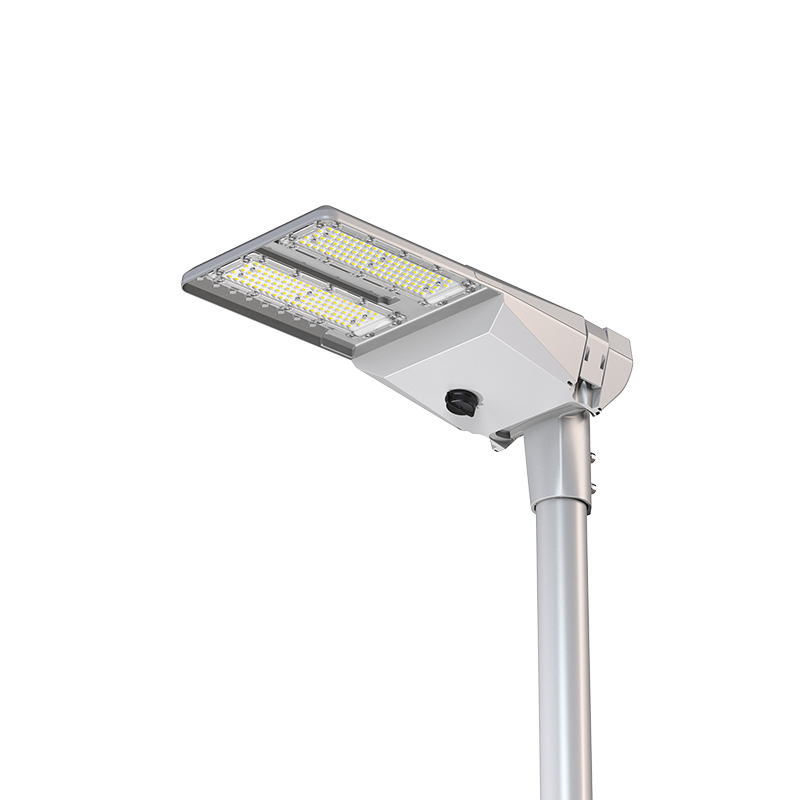
Security lighting, driveways, and building perimeter fixtures more often use 4000K-5000K, since brighter, cooler light travels farther to the eye at night and makes it easier to identify faces, vehicles, and movement from a distance. Motion-activated floodlights in particular are almost always specified at 5000K for exactly this reason.
Architectural accent lighting used to highlight a building facade, statue, or tree typically favors warm tones around 2700K-3000K, since this range tends to look more natural against stone, brick, and greenery than a stark blue-white wash, which can make outdoor architecture look artificial or overly clinical at night.
Color temperature does more than change the look of a room; it interacts with the body's internal clock. Light closer to the blue-white end of the spectrum, such as 5000K, contains a higher proportion of short-wavelength light, which suppresses melatonin production more strongly than warm light does. This is a large part of why sleep specialists recommend dimming to 2700K or lower in the two to three hours before bedtime, and why many smart LED lighting systems now include an automatic evening warm-shift feature.
During the day, the relationship flips: exposure to cooler, brighter light in the morning and early afternoon is associated with improved alertness and mood, which is one reason 4000K-5000K lighting is common in schools, hospitals, and offices during working hours. Some commercial buildings now install tunable-white LED systems that automatically shift from around 5000K in the morning to 2700K-3000K by evening, mimicking the natural progression of daylight.
This pattern also shows up seasonally. In regions with short winter days and long stretches of darkness, some households intentionally increase daytime exposure to 4000K-5000K LED lighting in kitchens and home offices to compensate for reduced natural daylight, then shift back to 2700K in the evening to preserve a normal wind-down routine. This kind of seasonal adjustment is one of the more practical, low-cost uses of the 2700K versus 5000K distinction.
A simple rule of thumb: warm light in the hours before rest, cool light during hours of activity. This single guideline resolves most color-temperature decisions without needing to memorize every room-by-room recommendation.
Color temperature itself has only a small direct effect on efficiency, but it is not zero. Because of how LED phosphor coatings work, cooler-temperature chips such as 5000K generally convert electricity to visible light slightly more efficiently than warm-temperature chips such as 2700K, since less energy is spent shifting the light spectrum toward red and amber wavelengths. In practice this difference is usually a few percentage points in lumens-per-watt and rarely changes a genuine purchasing decision, since fixture quality, driver design, and lumen output matter far more to overall efficiency than the 2300K gap between 2700K and 5000K.
Buyers comparing two LED lighting products should look at the lumens-per-watt figure directly on the packaging or spec sheet rather than assuming a cooler color temperature automatically means lower electricity bills.
Yes, and layered lighting design increasingly relies on doing exactly this on purpose. The key is separating fixtures by function rather than mixing them randomly within the same fixture type. A common layered approach in an open-plan kitchen and living area, for example, uses 5000K under-cabinet task lighting in the kitchen zone paired with 2700K pendant or lamp lighting in the adjoining living zone, so each area supports its own activity without the two tones visually competing.
Another common layered strategy separates ambient, task, and accent lighting by role rather than by room. Ambient ceiling lighting might stay at a neutral 3000K-3500K throughout, while dedicated task lighting over a desk or counter jumps to 5000K, and small accent fixtures such as picture lights or shelf lighting stay at a warm 2700K purely for visual interest. This layered method is common in professionally designed interiors precisely because it avoids the single-temperature-per-room limitation many homeowners assume is the only option.
The rule that keeps mixed installations looking intentional rather than accidental: keep temperature consistent within any single sightline, meaning all the bulbs a person sees at once from one seat or vantage point should match, even if the next room over uses a different temperature entirely.
A growing share of LED lighting products now solve the 2700K versus 5000K debate by offering both in a single fixture. Tunable white LED bulbs and panels combine warm and cool LED chips within the same housing, then blend them electronically so a user can dial the output anywhere along the spectrum, typically from around 2200K up to 6500K, using an app, remote, or wall control.
This approach is particularly useful in rooms with genuinely mixed use, such as a home office that becomes a reading nook in the evening, or a nursery that needs bright, neutral light for daytime changing and diaper duties but warm, dim light for nighttime feedings. Rather than choosing a single fixed Kelvin value and living with a compromise, a tunable fixture lets the same light adjust to the moment.
The tradeoff is cost and complexity: tunable LED lighting fixtures typically carry a higher price than fixed-temperature equivalents, and some models require a compatible hub, app, or dedicated switch to unlock the full tuning range. For single-purpose rooms like a dedicated garage workshop or a strictly-for-sleeping bedroom, a fixed 5000K or 2700K fixture is usually the simpler and more cost-effective choice.
2700K is the more common choice for living rooms because it supports relaxed evening use, flatters skin tones, and pairs well with soft furnishings. A living room that doubles as a daytime home office may benefit from an additional 4000K task lamp near a reading chair or desk.
This is expected. Older incandescent and halogen bulbs sit around 2700K-3000K, and 5000K is more than 2000 degrees cooler on the Kelvin scale, which produces a noticeably bluer appearance by design rather than by defect.
Most people find 3000K-4000K comfortable for extended reading, since it is bright and clear enough for text without the harsher edge of full 5000K daylight. 2700K works fine for casual reading before bed, while 5000K suits reading fine print or detailed diagrams during the day.
No. Lifespan is determined by the LED chip quality, driver circuitry, and heat management of the fixture, not by the color temperature of the light it produces. A well-built 2700K bulb and a well-built 5000K bulb from the same product line should have comparable rated lifespans.
Natural daylight shifts throughout the day, but overcast midday sky sits close to 5000K-6500K, which is why 5000K is commonly labeled daylight on LED lighting packaging. Early morning and late afternoon sunlight is much warmer, often falling closer to 3000K-3500K.
In most standard sockets, yes. Since color temperature is a property of the bulb itself, swapping a 2700K LED bulb for a 5000K LED bulb of the same base type and wattage typically requires no rewiring. Some integrated fixtures and certain smart or color-tunable LED lighting systems allow the color temperature to be adjusted directly through a switch, remote, or app instead of replacing the bulb at all.
Not inherently, but it depends heavily on the room. In task-focused spaces like a garage, closet, or home office, 5000K reads as clean and functional rather than harsh. In social spaces like a living room or dining room, the same 5000K light can feel cold or overly bright because it clashes with the relaxed mood those rooms are typically designed to support.
Most nurseries benefit from 2700K for general ambient lighting, supporting a calm environment for sleep and feeding. A separate, brighter 4000K-5000K task light near the changing station can help with visibility during diaper changes without lighting the entire room at a stimulating brightness.
This usually comes down to color rendering index, manufacturing tolerance, or the quality of the phosphor coating used in the LED chip. Two 5000K bulbs from different manufacturers, or even different batches from the same manufacturer, can vary slightly in tint even though both meet the labeled Kelvin rating.
For a general-purpose room without a strong preference either way, 3000K is a practical middle ground that leans warm enough for comfort while still offering reasonably clear color rendering. Buyers who already know they want a cozy, relaxed feel should go straight to 2700K, while buyers who need sharp visual clarity for detailed tasks should go straight to 5000K.

Contact Us for More Details
Contact Information
Add:
No. 8 Qingcang Road, Qiangjiao Town, 315612 Ninghai, Ningbo, China
Phone:
+86-574-83530320
Fax:
+86-574-83530330
E-mail:
Join our community and stay connected
 Custom Outdoor lighting Manufacturers

 English
 Français
 Español