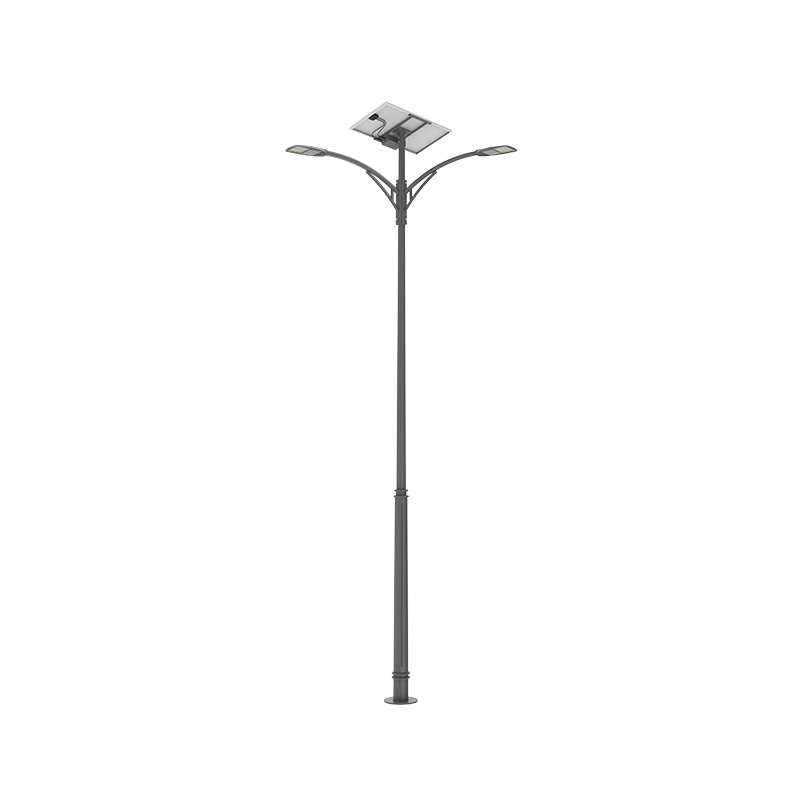
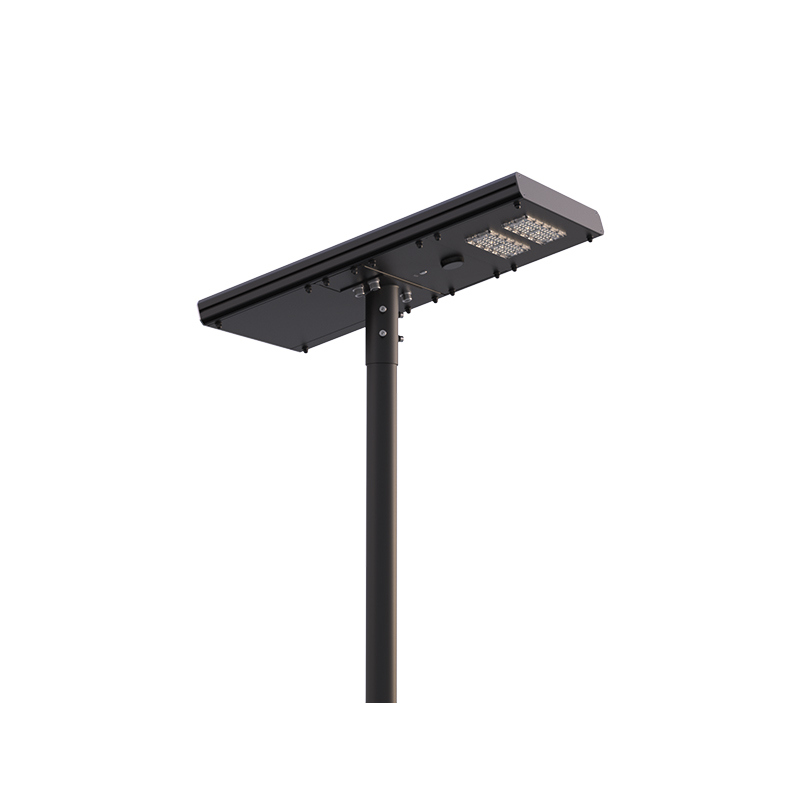
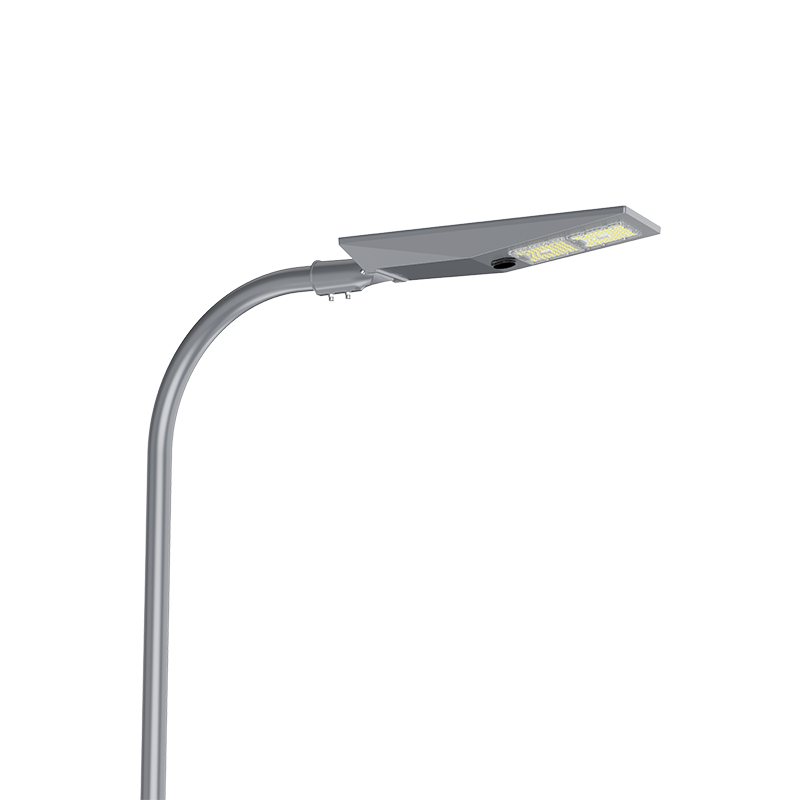
In the global wave of green energy transformation, the outdoor lighting sector is undergoing a profound shift from reliance on traditional power grids to independent energy supply. As a professional force deeply rooted in energy solutions, Everlite LED Lighting Co., Limited. (hereinafter referred to as "Everlite"), with its profound expertise in design, structural optimization, and precision optics, is committed to transforming cutting-edge solar lighting technology into excellent engineering practices.
I. Core Architecture and Operating Logic of Solar Lighting Systems
Solar lighting is not simply a superposition of components, but a closed-loop system involving energy conversion, storage, and precise light distribution. Everlite, through full-process engineering optimization, ensures that every photon is converted into efficient lighting output.
1. Photovoltaic Effect and Energy Capture
The heart of the system lies in the photovoltaic components, whose core principle is the utilization of the photovoltaic effect at the semiconductor interface. From the initial design stage, Everlite customizes the component structure layout based on the geographical latitude and solar resources of the application scenario to maximize photoelectric conversion efficiency.
2. Intelligent Energy Management and Thermal Control Technology
Since solar energy is significantly affected by environmental factors, the synergy between the energy storage system and the thermal management system is crucial. Overheating can significantly reduce battery life and circuit efficiency. Everlite, through customized thermal management design, ensures that electronic components maintain high stability even in extreme environments.
3. Light Distribution Design of Precision Optical Systems
Luminous efficiency depends not only on the lumen value of the LED, but also on how the light is guided. Through the development of secondary optical lenses, solar lighting can achieve precise light distribution curves, reducing light pollution and improving road surface uniformity.
II. Key Technological Dimensions of Solar Lighting
| Technical Dimension |
Core Focus |
Everlite Solutions |
| Industrial Design |
Aesthetic integration of fixtures within the environment. |
Seamless transition from aesthetic concepts to full-scale mass production. |
| Structural Optimization |
Wind resistance ratings and installation ergonomics. |
Enhanced structural engineering to ensure maximum safety under extreme weather conditions. |
| Thermal Management |
Heat dissipation efficiency and system longevity. |
Customized thermal pathways designed to extend the operational lifecycle of core components. |
| Optical Systems |
Lens precision and light distribution quality. |
Advanced precision optics development to eliminate glare and optimize illumination coverage. |
| System Integration |
Circuit protection and intelligent dimming logic. |
Integrated controller systems enabling automated light-sensing and sequential timing management. |
III. From Design to Mass Production: A Professional Engineering Path
In the field of solar lighting, a successful project often depends on attention to detail. Everlite transforms your ideas into high-quality products, mainly reflected in the following aspects:
Integration of Appearance and Function: The fixture design of solar lamps must not only conform to modern aesthetics but also meet the optimal tilt angle requirements of the photovoltaic panels. We balance aesthetics and physical efficiency through structural simulation.
Application of Materials Science: High-weather-resistant materials are selected to withstand harsh outdoor ultraviolet and salt spray environments. Combined with precise sealing structures, this ensures the reliability of the system over a long period.
Modular Development: Considering the customized needs of different customers, we adopt a modular design approach to shorten the cycle from structural optimization to mass production, while also improving ease of maintenance.
IV. Frequently Asked Questions (FAQ)
Q1: Why is thermal management so crucial for solar lighting systems?
Because solar lamps are usually installed outdoors in areas with ample sunlight, their internal electronic components (such as controllers and LED chips) generate heat during operation, in addition to external radiant heat. Poor heat dissipation can lead to accelerated light decay or shortened battery life. Everlite ensures that the system operates reliably even under high load by optimizing structural thermal resistance.
Q2: How to solve the problem of continuous lighting during rainy days?
This involves redundant system capacity design and intelligent power management. Through efficient energy storage solutions and power regulation of the control system (such as automatic power reduction late at night), the lighting time during continuous rainy days can be effectively extended, ensuring rational energy allocation.
Q3: What are the advantages of customized optical lenses compared to general-purpose lenses?
General-purpose lenses often cannot perfectly match specific road conditions or installation heights. Everlite's precision optical development service can customize the light distribution pattern (such as batwing-shaped light distribution) according to specific needs, minimizing energy loss while meeting lighting standards.
Q4: How do you ensure product consistency from concept to mass production?
We have complete supply chain management and mass production processes. The manufacturability (DFM) is fully considered during the structural optimization phase. Through precise fixture design and strict engineering control, we ensure that every product leaving the factory conforms to the original design blueprint. Q5: What are the maintenance costs of a solar lighting system?
Thanks to the fact that no cables need to be laid, the initial installation costs are low. Through Everlite's optimized structural and heat dissipation design, the replacement cycle of core components is significantly extended, and subsequent operation and maintenance mainly focus on cleaning the photovoltaic panels and periodic battery inspections.



 Custom Outdoor Solar Lighting Manufacturer

 English
 Français
 Español