2026-07-06
Content
3000K color temperature produces a warm, slightly yellow-white light that sits between the amber glow of a traditional incandescent bulb and the neutral white of daylight-balanced LED Lighting. The "K" stands for Kelvin, a scale that measures the visual warmth or coolness of a light source rather than its actual heat output. Lower Kelvin numbers such as 2200K or 2700K read as amber and cozy, while higher numbers such as 5000K or 6500K read as crisp and blue-tinted. At 3000K, the light is warm enough to feel relaxing and residential, yet bright and clean enough to support reading, cooking, and detailed tasks without the orange cast typical of older halogen fixtures.
For anyone shopping for LED Lighting, 3000K is often labeled "soft white" or "warm white" on packaging. It has become the most commonly requested color temperature for homes, boutique hotels, restaurants, and retail spaces that want an inviting atmosphere. Commercial kitchens, hospitals, and garages tend to lean toward 4000K to 5000K instead, since brighter, cooler tones support alertness and precision work.
Color temperature is measured on a continuous scale, but manufacturers typically round LED Lighting products into a handful of standard values so buyers can compare fixtures across brands. Understanding where 3000K sits on this scale helps explain why it behaves so differently from its neighboring values.
| Color Temperature | Visual Appearance | Typical Setting |
|---|---|---|
| 2200K | Deep amber, candle-like | Accent lighting, mood bars |
| 2700K | Warm yellow-white | Living rooms, bedrooms |
| 3000K | Soft warm white | Kitchens, hallways, hospitality, retail |
| 3500K | Transitional white | Offices, waiting rooms |
| 4000K | Neutral white | Workshops, supermarkets |
| 5000K | Bright daylight white | Warehouses, hospitals, garages |
Most 3000K fixtures deliver between 2,700 and 3,300 Kelvin depending on manufacturing tolerance, which is why two bulbs labeled 3000K can still look subtly different side by side. This small variance rarely matters to the eye in isolation, but it becomes noticeable when mixing old and new fixtures in the same room.
Human eyes evolved around firelight and candlelight, both of which sit in the 1,800K to 2,200K range, so warm tones read as comfortable and familiar. 3000K keeps that comfort while adding enough brightness and clarity for everyday tasks, which is why it became the middle ground recommended by lighting designers for spaces where people relax, dine, or gather.
A 2023 lighting preference survey from the International Association of Lighting Designers found that residential clients selected 3000K LED Lighting nearly twice as often as any other single color temperature when given a free choice, reinforcing its position as the practical default rather than a niche preference.
The difference between 2700K, 3000K, and 4000K is subtle on paper but obvious once the fixtures are side by side. 2700K leans amber and nostalgic, 3000K reads as clean warm white, and 4000K shifts toward a neutral, slightly blue-leaning tone.
Bedrooms, media rooms, and any space meant purely for winding down often benefit from 2700K, since the extra warmth encourages relaxation and reduces the alertness cue that cooler light provides.
Kitchens, dining areas, bathrooms, hallways, and hospitality lobbies usually land best at 3000K, since guests and residents still need enough clarity to read menus, apply makeup, or navigate stairs safely.
Home offices, garages, and retail spaces that sell electronics or hardware often move up to 4000K, since the added coolness supports focus and makes fine print and small components easier to see.
Because 3000K balances warmth with usable brightness, it shows up across a wide range of building types. The list below reflects the settings where designers most frequently specify it.
Two fixtures can both say 3000K on the box and still look completely different once installed, because color temperature only describes the tint of the light, not its ability to render colors accurately. That second quality is described by the light's color rendering score, commonly abbreviated CRI, on a scale up to 100.
| Rendering Score | Visual Result at 3000K |
|---|---|
| Below 80 | Colors look muted, skin tones can appear slightly gray |
| 80 to 89 | Acceptable for hallways and utility spaces |
| 90 to 95 | Strong choice for kitchens, retail, and dining |
| 96 and above | Near-reference accuracy, used in galleries and high-end hospitality |
A 3000K fixture with a rendering score above 90 will consistently outperform a 4000K fixture with a lower score when it comes to how natural food, fabric, and skin tones appear in the room, which is why the rendering score deserves equal attention to the Kelvin number on any spec sheet.
Buyers frequently focus only on the Kelvin figure printed on packaging and overlook several details that shape how the light actually performs once installed.
Combining a 3000K ceiling fixture with 2700K under-cabinet strips creates a visible mismatch that draws the eye and makes the space look unfinished. Keeping every fixture in a visible sightline at the same Kelvin value avoids this problem entirely.
Not every 3000K LED Lighting product dims smoothly. Cheaper drivers can flicker or shift color slightly toward amber at low dimming levels, so pairing dimmable fixtures with a compatible dimmer switch, verified against the manufacturer's compatibility list, prevents flickering complaints after installation.
A narrow beam angle concentrates 3000K light into a tight pool, which can leave corners dim even though the fixture is technically bright enough for the room. Wider beam angles, typically 100 degrees or more, spread warm light more evenly across kitchens and open living areas.
Packaging claims are not always consistent between production batches, which matters most for businesses ordering large quantities of LED Lighting for a hotel, restaurant chain, or retail rollout.
These checks take a small amount of extra time upfront but prevent the far larger cost of replacing an entire batch of fixtures after guests or customers notice inconsistent lighting across a property.
Two developments are reshaping how 3000K products are manufactured and specified this year. First, tunable white fixtures that shift between 2700K and 4000K on a single dimmer switch are becoming more affordable, letting one fixture cover the role that used to require separate warm and neutral bulbs. Second, manufacturers are pushing rendering scores higher across their standard 3000K product lines, with 90-plus rendering now common even in mid-range residential fixtures rather than being reserved for premium tiers.
Efficiency has also improved. Many current 3000K LED Lighting fixtures now deliver over 100 lumens per watt, a meaningful jump from the 70 to 80 lumens per watt typical just a few years ago, which lowers running costs without sacrificing the warm, comfortable character that makes 3000K popular in the first place.
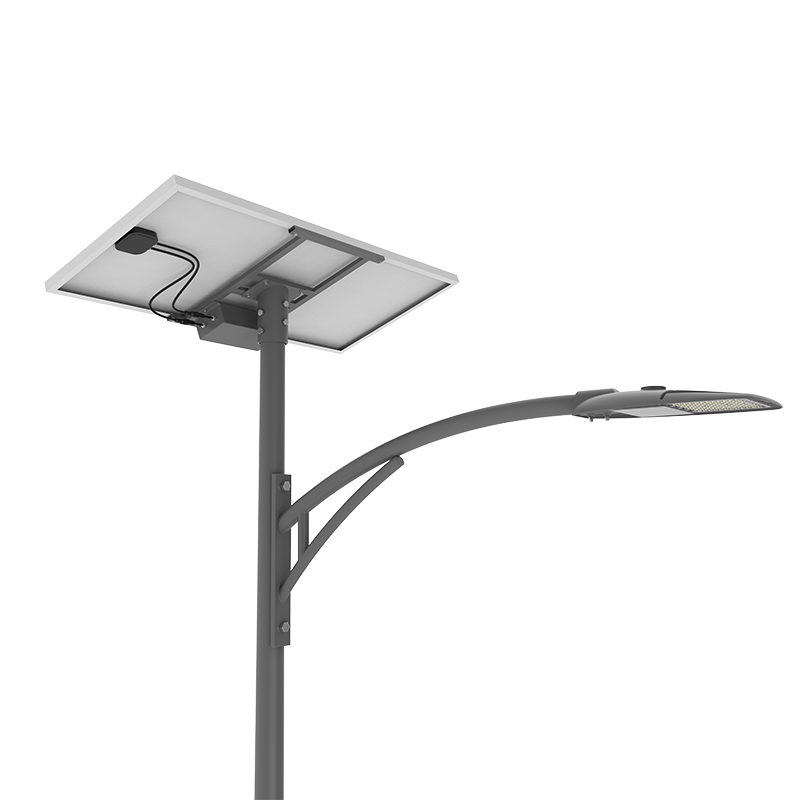
3000K is on the warm end of the scale. It produces a soft, slightly yellow-white glow rather than the crisp blue-white associated with daylight temperatures above 5000K.
Yes, when paired with sufficient lumen output. Color temperature and brightness are separate specifications, so a 3000K fixture rated around 800 to 1,100 lumens per bulb typically provides ample light for cooking and food prep tasks.
Yes, as long as they are not visible together in the same room. Many homes use 3000K in living areas and bedrooms while switching to 4000K in garages, laundry rooms, or home offices where task focus matters more than ambiance.
No. Color temperature does not affect energy consumption on its own. Efficiency depends on the LED chip and driver quality, not the Kelvin rating, so a well-made 3000K fixture can be just as efficient as a 4000K or 5000K equivalent.
Manufacturing tolerances allow some variance within the labeled Kelvin value, and differences in rendering score also change how colors appear under the light, even when the Kelvin number matches exactly.
Yes, particularly for entryways, patios, and architectural accents where a warm, welcoming look is preferred over the stark white commonly used for security floodlighting.

Contact Us for More Details
Contact Information
Add:
No. 8 Qingcang Road, Qiangjiao Town, 315612 Ninghai, Ningbo, China
Phone:
+86-574-83530320
Fax:
+86-574-83530330
E-mail:
Join our community and stay connected
 Custom Outdoor lighting Manufacturers

 English
 Français
 Español