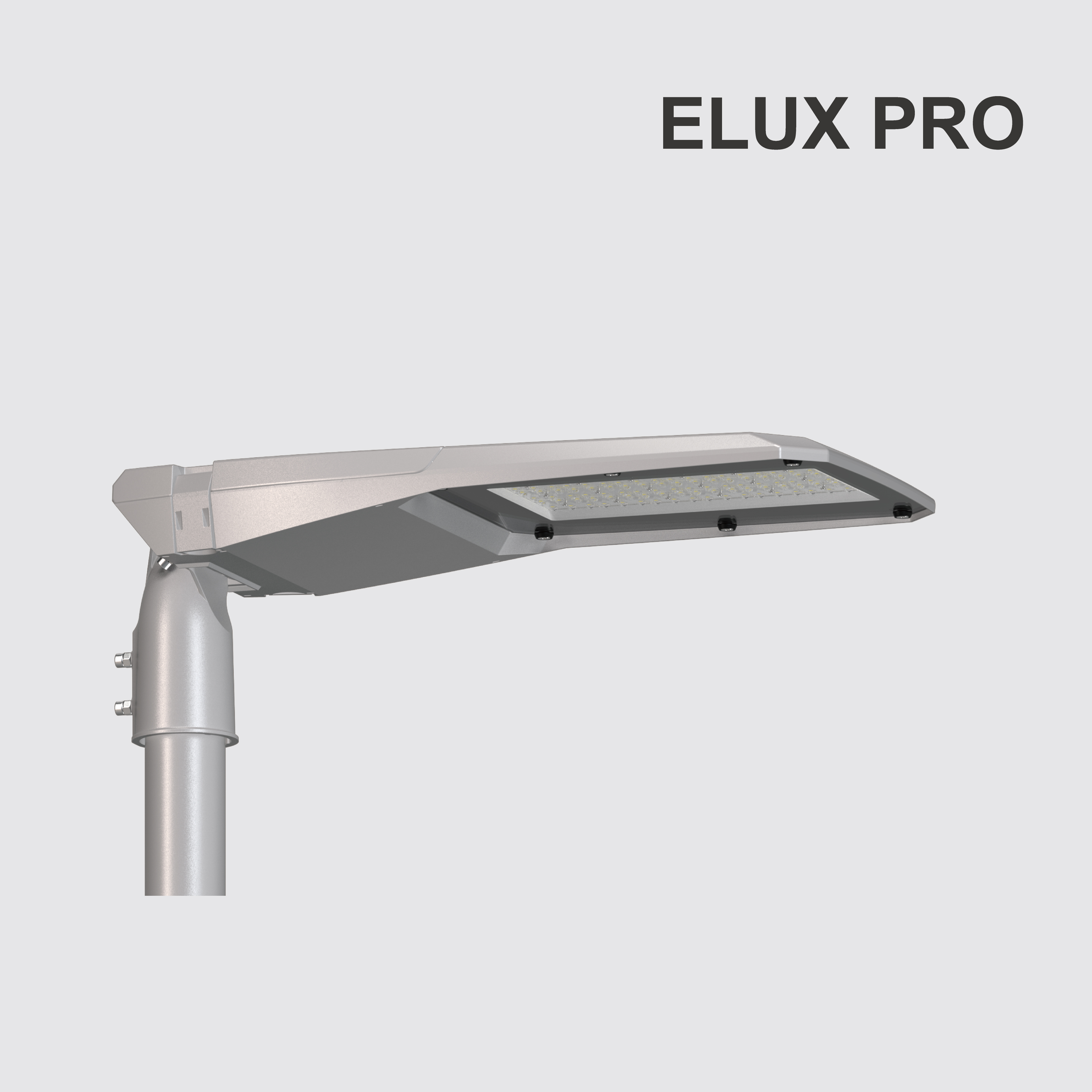
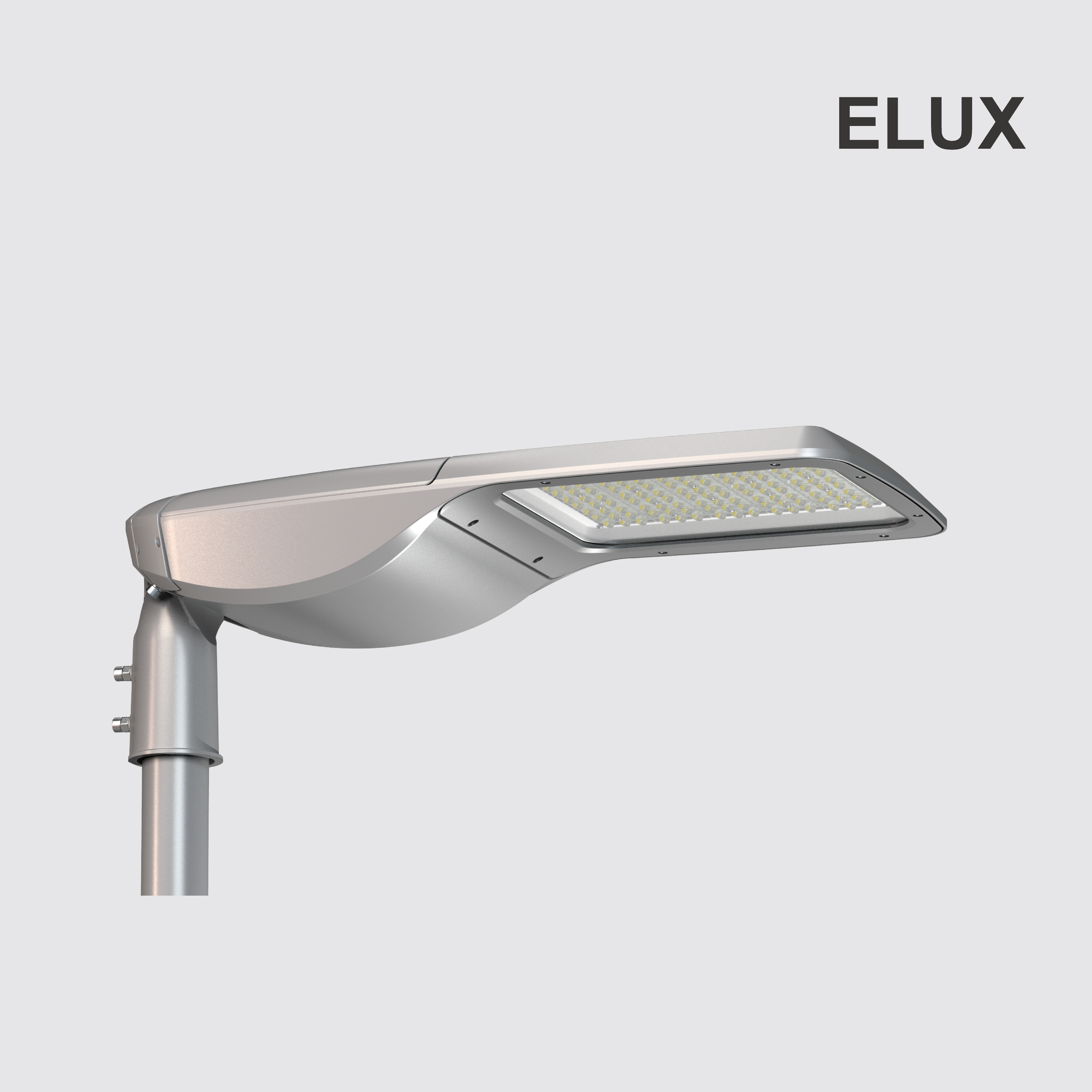
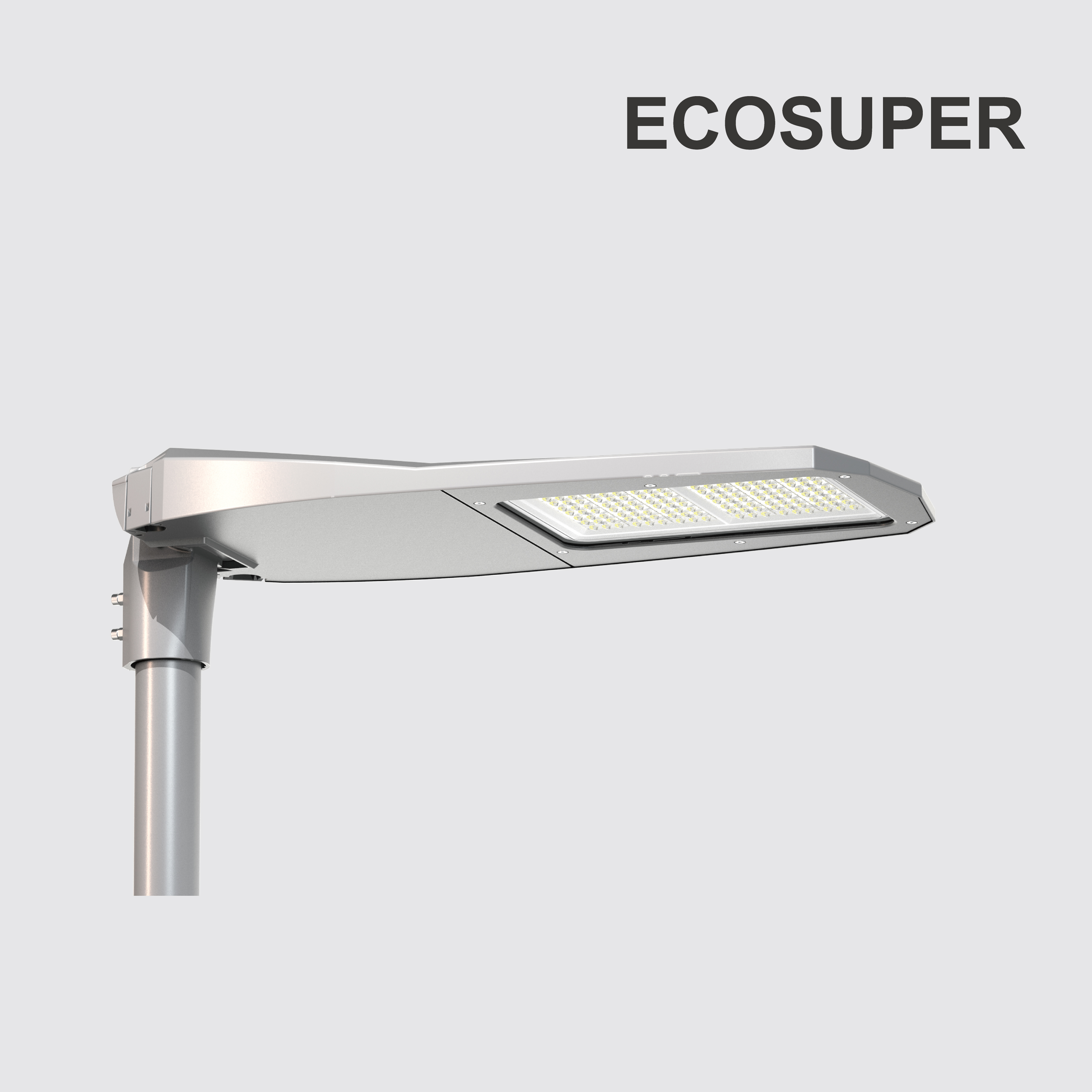
Product Category
Skyzon Story
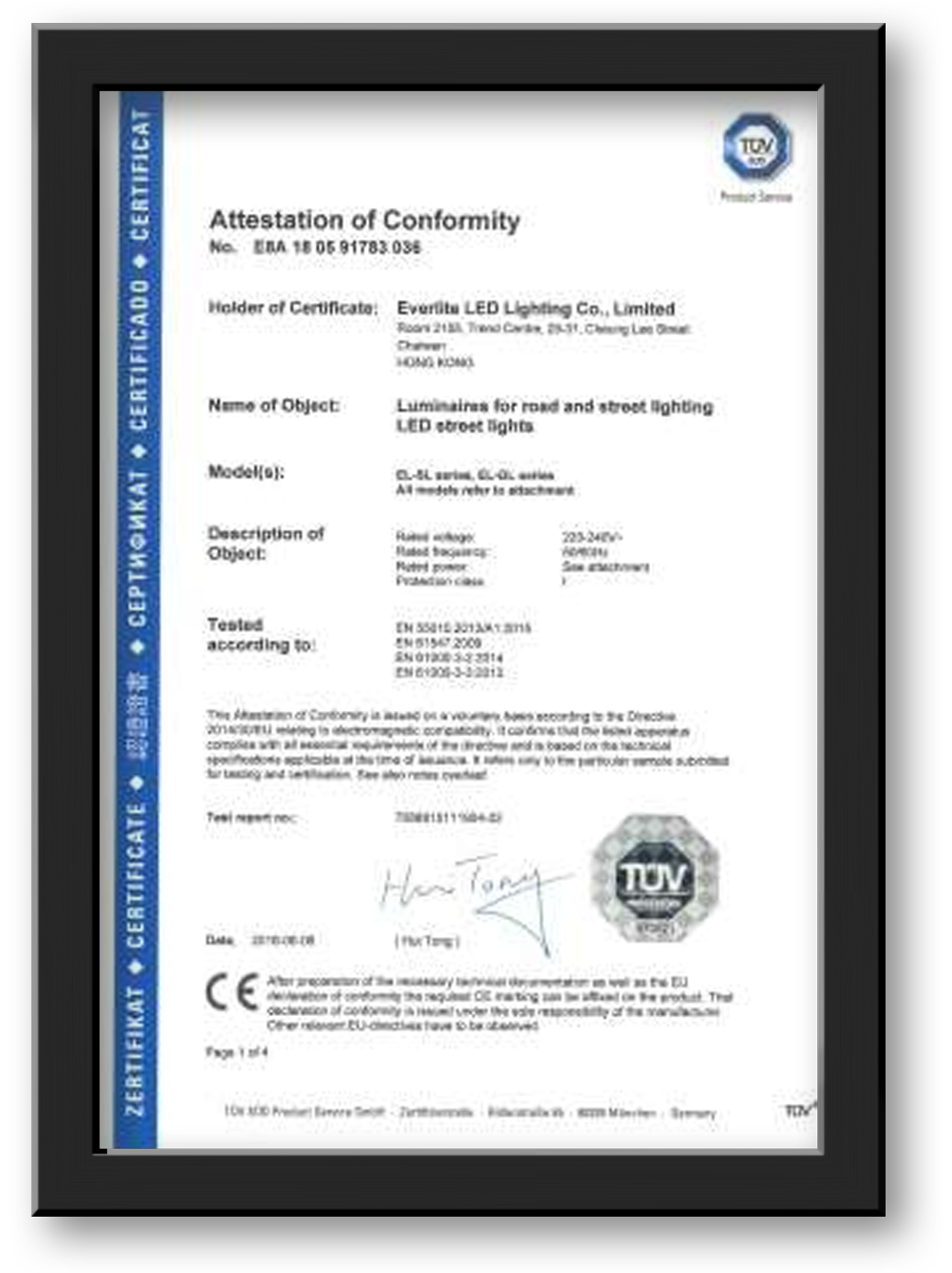
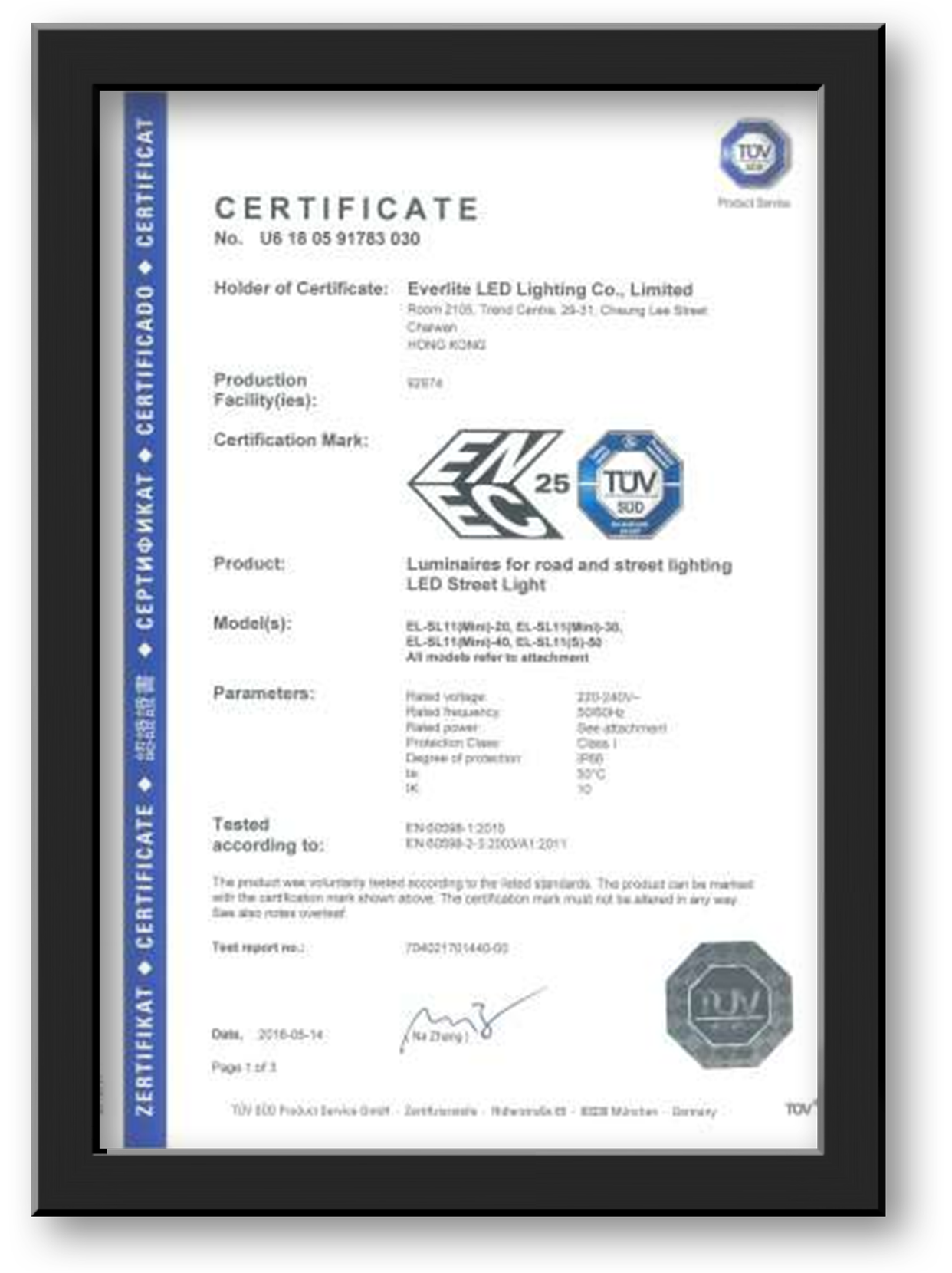
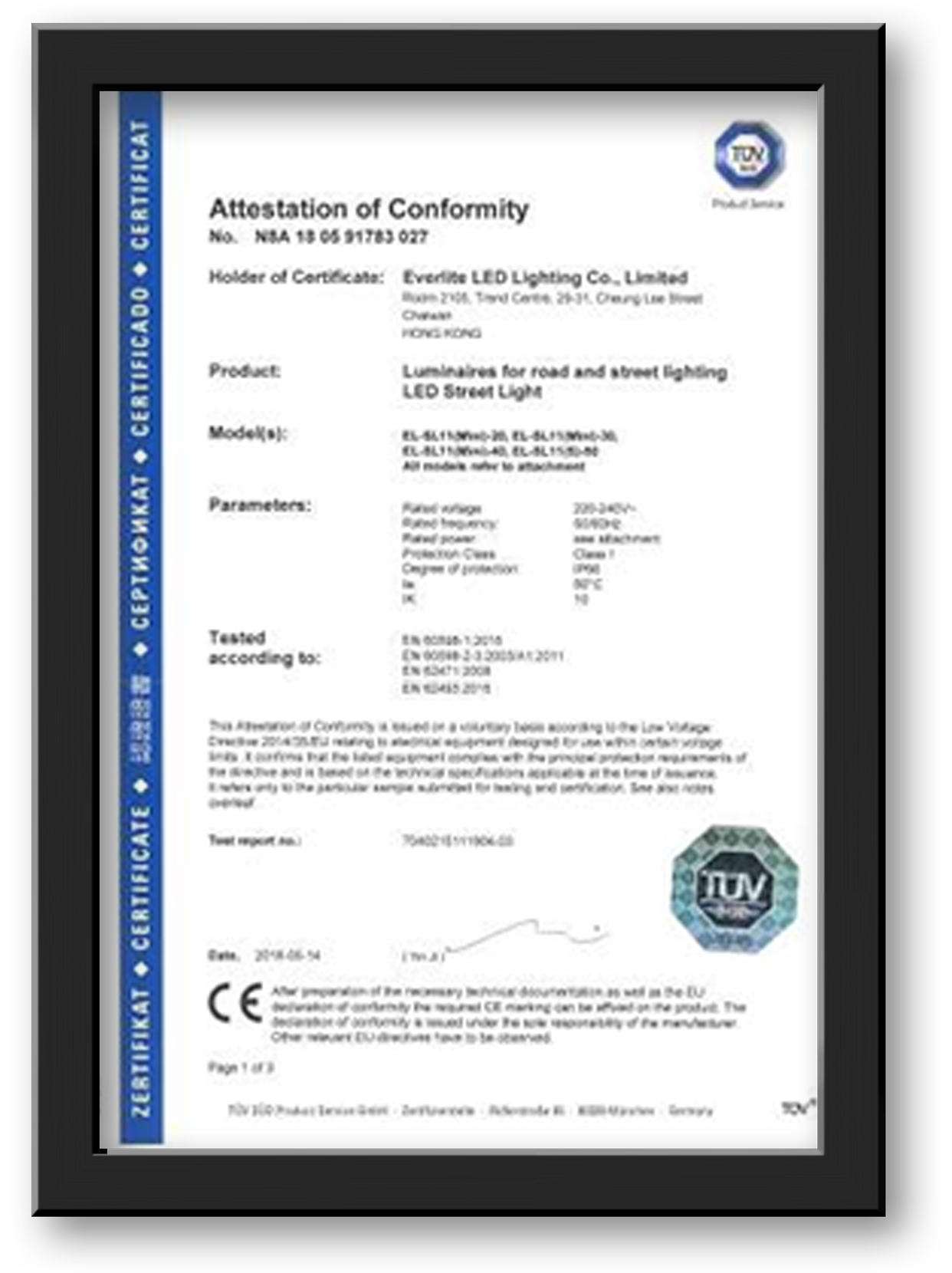
Certificate
Skyzon's R&D team consists of professional technicians and innovative teams, focusing on the advancement of lighting technology and solutions.

Latest Updates
Provide you with the latest enterprise and industry news
Fluorescent lighting is efficient only when the comparison starts with incandescent. A typical four-foot T8 fluorescent tube converts roughly 25 to 30 percent of the electricity it draws into visible light, while an inc...
You are standing in front of a shelf of LED fixtures, and every box lists a different number: 2700K, 3000K, or 4000K. Those numbers describe the color temperature of the light, and they determine whether a room feels wa...
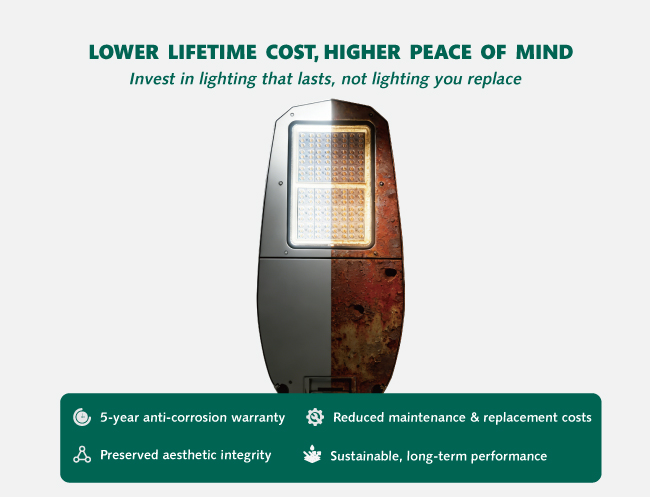
Speciality Long-Endurance Public Street Lighting Solutions You reach for the knife and realize you are cutting by feel. The overhead fixture throws a bright pool in the middle of the room, the range hood blocks a second...
5000K Color Temperature: The Short Answer If you are selecting LED fixtures for a warehouse, sports hall, manufacturing floor, parking garage, or any large open area that needs crisp, accurate color perception, 5000K is...
Street Lighting Industry Knowledge
In the construction of contemporary urban infrastructure, street lighting has evolved beyond the basic function of simply "illuminating the darkness," transforming into a comprehensive system engineering project that integrates optical engineering, materials science, thermodynamics management, and intelligent control. Everlite LED Lighting Co., Limited.'s global practices in this field not only demonstrate the deep integration of technology and the environment but also define the standards for modern public space lighting environments.
I. The Optical Core of Street Lighting: The Science of Light Distribution Design
The essence of street lighting lies in the precise control of light. Unlike ordinary indoor lighting, outdoor street lighting requires accurately projecting a limited luminous flux onto the road surface to ensure the safety of drivers and pedestrians.
Classification of Light Distribution Types: Based on the illumination range, street lighting is usually divided into horizontal and vertical light distribution modes. In serving global ports and container yards, Everlite employs different levels of cut-off type designs for wide areas and narrow lanes, effectively reducing glare interference for workers.
Uniformity and Road Surface Brightness: The key to measuring lighting quality is not "the brightest," but "the most uniform." Uniform brightness distribution eliminates the visual "black hole effect" and reduces driver fatigue.
Glare Control: Through the design of secondary optical lenses, light is confined within specific angles. In professional fields with extremely high visual requirements, such as sports stadiums, anti-glare design is a core indicator determining the success of the lighting system.
II. Materials Engineering and Environmental Adaptability
Street lighting fixtures are exposed to the natural environment for extended periods, enduring sunlight, rain, extreme temperature differences, and even salt spray corrosion.
Housing Material: High-pressure die-cast aluminum is currently the mainstream choice, providing robust physical protection for the fixtures due to its excellent mechanical strength and thermal conductivity.
Surface Treatment Process: Among the more than 60 countries served by Everlite, there are many coastal areas with high salt spray and regions with extremely high temperatures. Through high-grade spraying processes, the fixtures can effectively resist oxidation and corrosion, ensuring structural integrity.
Protection Rating (IP) and Impact Resistance Rating (IK): These are hard indicators for evaluating the durability of lighting fixtures. High-level dustproof and waterproof design is a prerequisite for ensuring the long-term operation of internal electronic components.
III. Thermal Management: The Cornerstone of System Lifespan
As a cold light source, the luminous efficiency and lifespan of LEDs are significantly affected by temperature. Efficient heat dissipation design is the "heart" of a road lighting system.
Conduction and Convection: Utilizing aerodynamic principles, a reasonable fin layout creates a chimney effect, accelerating the exchange of heat with the surrounding air.
Thermoelectric Separation Technology: At the circuit design level, ensuring a safe distance between heat-generating components and sensitive components prevents performance degradation caused by heat accumulation.
Long-Term Reliability: The experience accumulated by Everlite in industrial facility lighting demonstrates that excellent thermal management can significantly reduce maintenance frequency, which is crucial for professional locations where high-altitude work costs are extremely high.
IV. Intelligent Trends and System Integration
Modern road lighting is transforming from isolated lighting units to interconnected smart nodes.
Sensing and Dimming: Automatic sensing technology based on traffic flow or natural light intensity enables on-demand lighting, significantly reducing wasted energy.
Remote Monitoring and Diagnosis: Through integrated control modules, managers can obtain the operating status of each light in real time, enabling fault warning and precise operation and maintenance.
Multifunctional Applications: Road lamp posts, as the framework of urban space, are carrying more sensors and communication equipment, becoming a key carrier for smart city construction.
Road Lighting Technology Parameter Comparison Table
| Dimension | Traditional Lighting (e.g., High-Pressure Sodium) | Modern LED Systems (Everlite Standards) |
| Color Rendering | Lower Color Rendering Index (CRI); significant color distortion of objects. | High CRI; provides a visual experience close to natural daylight. |
| Start-up Performance | Requires a warm-up period; incapable of instantaneous switching. | Instantaneous start; supports frequent switching and dynamic dimming. |
| Optical Efficiency | 360-degree omnidirectional light; relies on reflectors with high loss. | Directional light emission; extremely high optical utilization and precision. |
| Maintenance Cycle | Frequent lamp replacements required; high labor and operational costs. | Long-life design; significantly reduces the need for manual intervention. |
| Sustainability | Contains heavy metals (mercury); complex and hazardous recycling process. | Free of hazardous substances; aligns with global green development trends. |
FAQ: In-depth answers about road lighting
Q1: Why are specific color temperatures usually preferred for road lighting?
A: The choice of color temperature depends on the application environment. Warm yellow light (low color temperature) has better penetration in foggy conditions and is suitable for foggy areas; while white light (high color temperature) provides higher alertness and visual clarity, and is widely used in modern city streets and sports venues.
Q2: How to solve the corrosion problem of luminaires in harsh environments such as ports or container yards?
A: This requires a dual approach of material selection and surface treatment. Using specially formulated anti-corrosion aluminum alloys and multi-layer protective coating processes, while avoiding dead corners where water and dust can accumulate in the structural design, helps to cope with the challenges of high salt spray and high humidity.
Q3: How is "light pollution" defined in road lighting, and how can it be avoided?
A: Light pollution mainly manifests as upward light, scattered light, and glare. Precisely controlling the light beam within the target area through precise optical lens design, reducing leakage to the sky and surrounding buildings, is key to achieving environmentally friendly lighting.
Q4: What are the core competencies of Ningbo Shishang Tianji that enable its widespread application in overseas markets?
A: The core lies in its deep adaptability to different application scenarios worldwide. Whether it's the extreme working conditions of industrial facilities or the standardized requirements of public roads, the company provides highly reliable lighting solutions to global customers by modularly integrating optics, heat dissipation, and intelligent control technologies.
Q5: Will intelligent lighting control systems increase the system's failure rate?
A: On the contrary. Mature control systems have self-diagnostic functions and can issue warnings before component failure. Although this increases the initial logical complexity, digital management greatly reduces the risk of systemic failure and improves overall operation and maintenance efficiency.
Contact Information
Add:
No. 8 Qingcang Road, Qiangjiao Town, 315612 Ninghai, Ningbo, China
Phone:
+86-574-83530320
Fax:
+86-574-83530330
E-mail:
Join our community and stay connected
 Custom Outdoor LED IK10 Street Lighting Manufacturer

 English
 Français
 Español